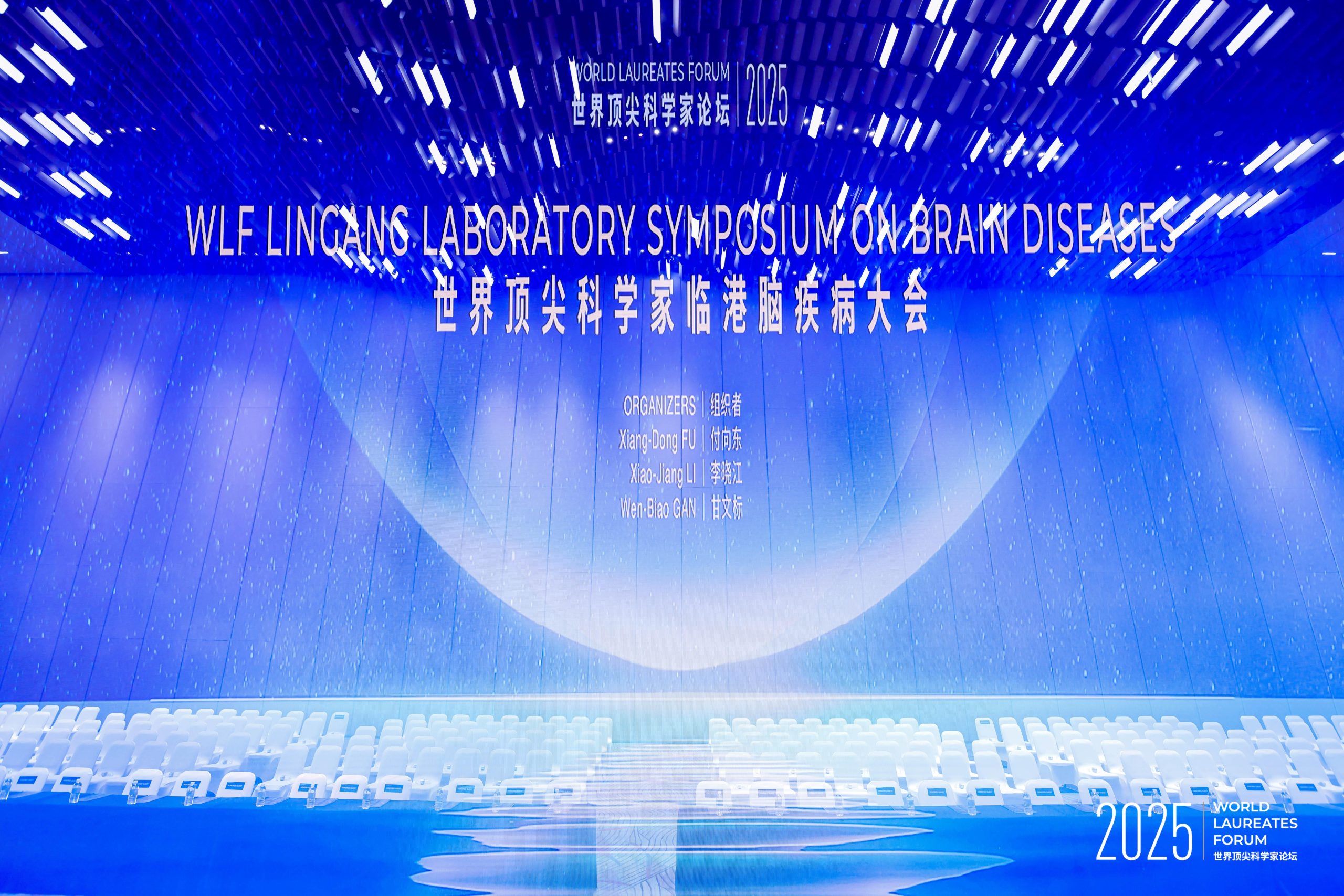
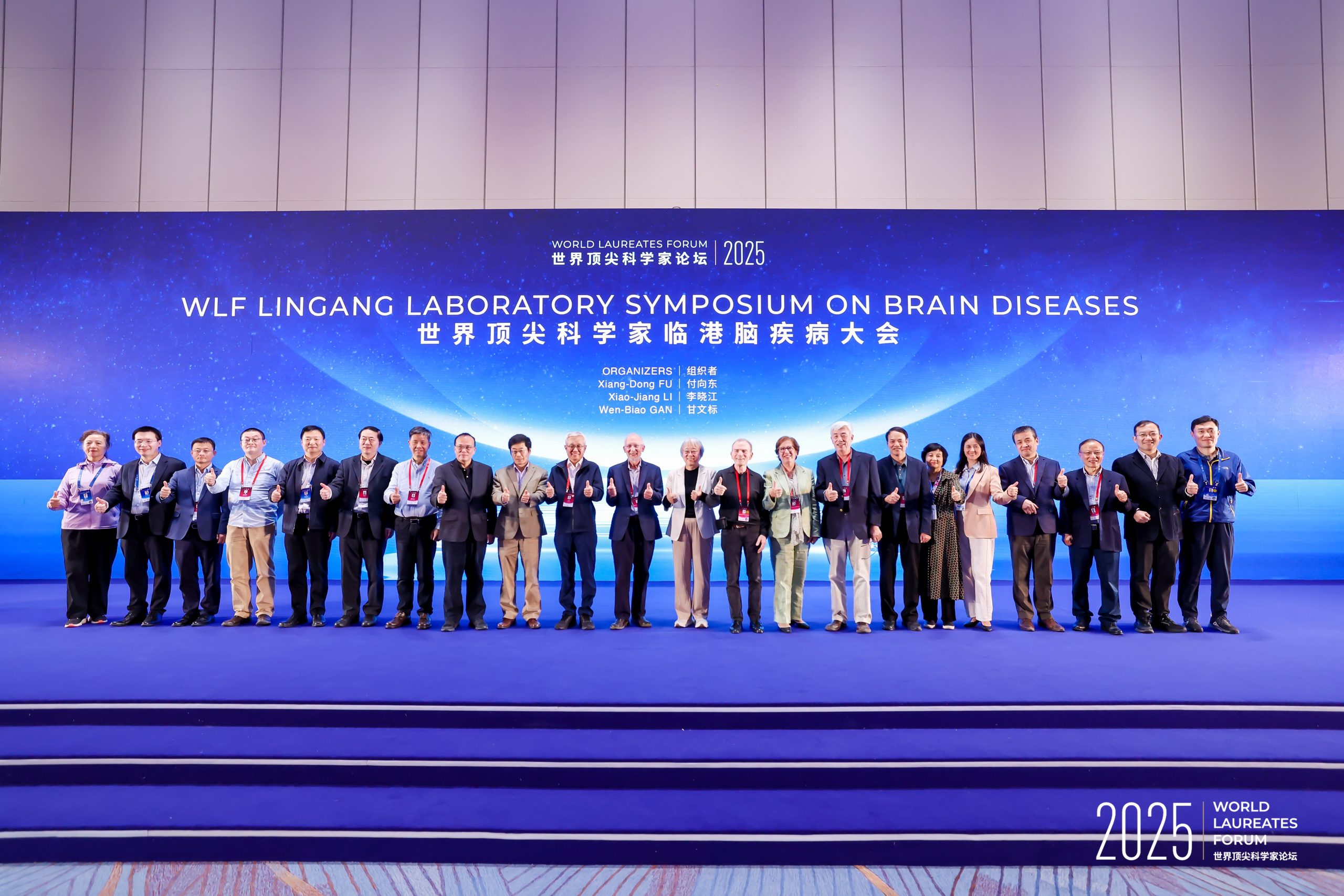
On October 26, 2025, the three-day 2025 World Laureates Forum Lingang Laboratory Symposium on Brain Diseases concluded successfully at the Lingang Center in Shanghai. Jointly hosted by the Lingang Laboratory and the Shanghai Lingang Science and Technology Innovation Development Foundation, the symposium brought together leading minds in global brain science. Focusing on three major neurodegenerative diseases, Alzheimer’s disease (AD), Parkinson’s disease (PD), and Amyotrophic Lateral Sclerosis (ALS), participants conducted in-depth discussions on disease mechanisms, technological innovations, therapeutic strategies, and translational development.
The symposium attracted 35 internationally renowned disease biologists, including Nobel Laureates and academicians from multiple countries. Dozens of high-level academic sessions were held, drawing nearly 300 domestic and international experts for scholarly exchange. As one of the organizers, the Shanghai Lingang Science and Technology Innovation Development Foundation was honored to support this high-standard global dialogue platform and foster collaborative innovation in brain disease research.
Leading Scientists Unveil Frontiers of Neurodegeneration Research
The academic caliber of the symposium was set by a distinguished group of world-leading scientists.
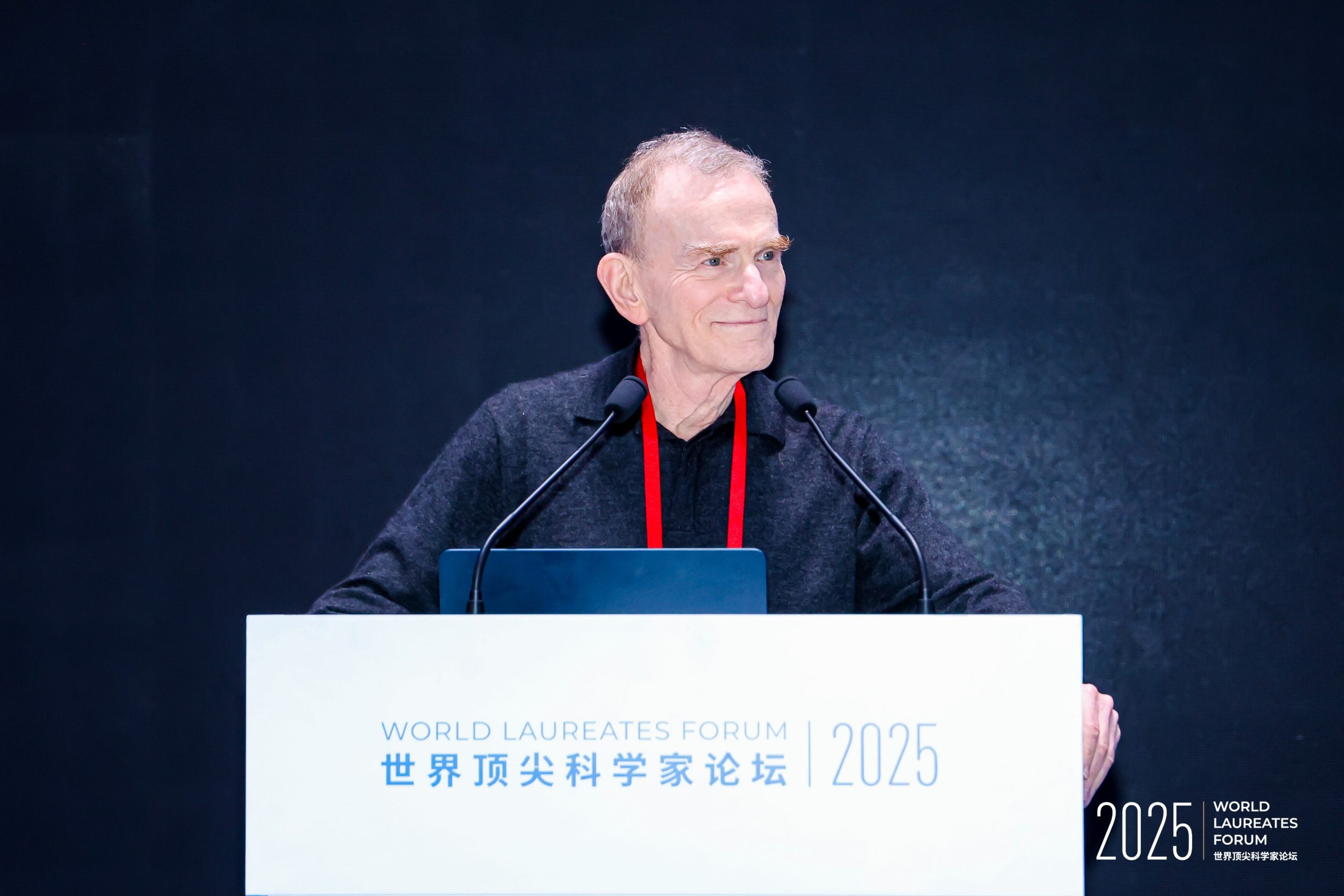
Randy SCHEKMAN, Nobel Laureate in Physiology or Medicine and a key architect of the global roadmap for Parkinson’s disease research, shared the overarching blueprint of the ASAP (Aligning Science Across Parkinson’s) initiative, highlighting its systematic approach to deciphering PD pathogenesis.
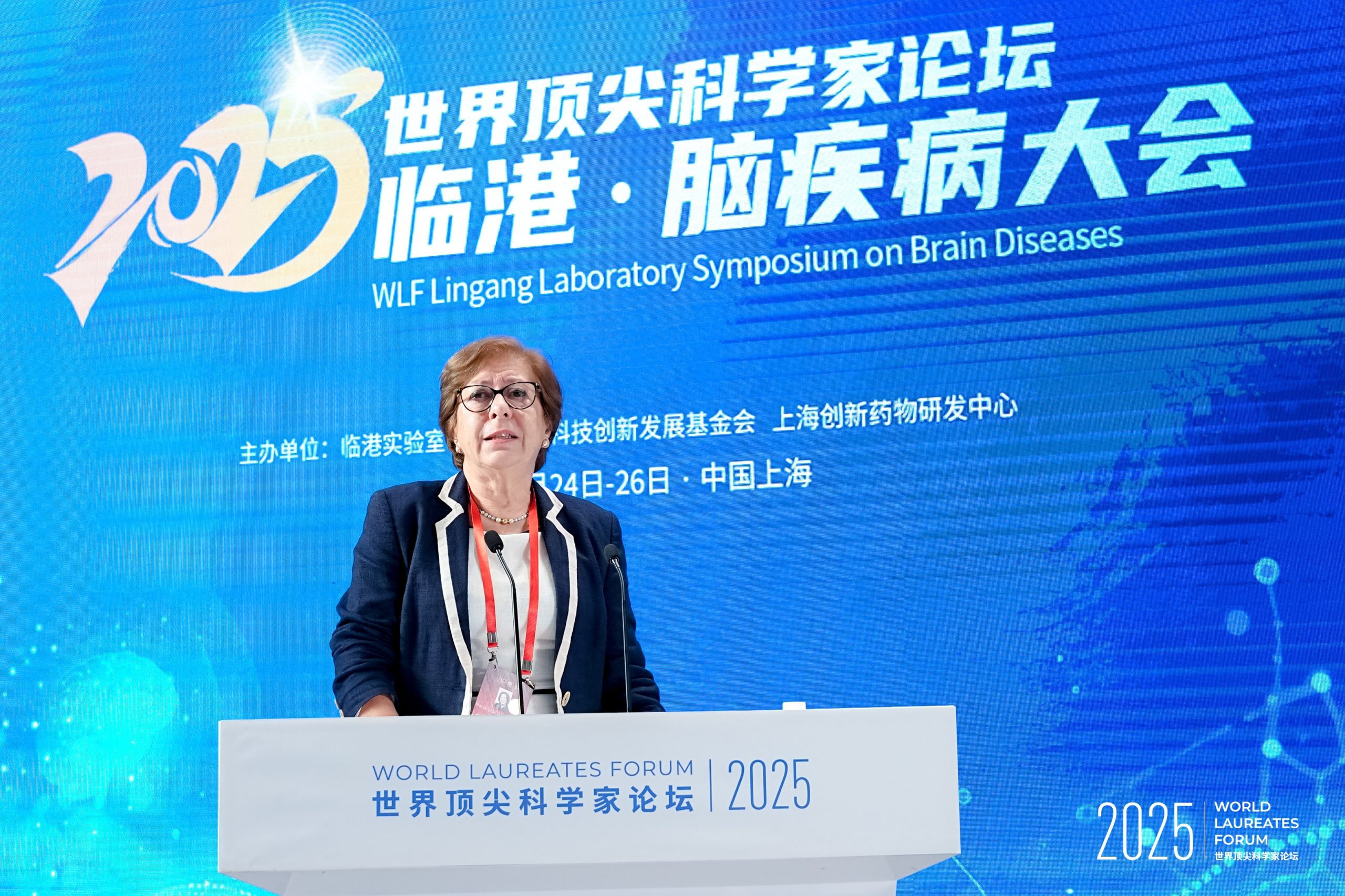
Professor Maria G. SPILLANTINI, Member of the European Academy of Sciences and discoverer of α-synuclein, delivered an in-depth report on her latest breakthroughs in the molecular mechanisms and therapeutic innovations for Parkinson’s disease and related dementias.
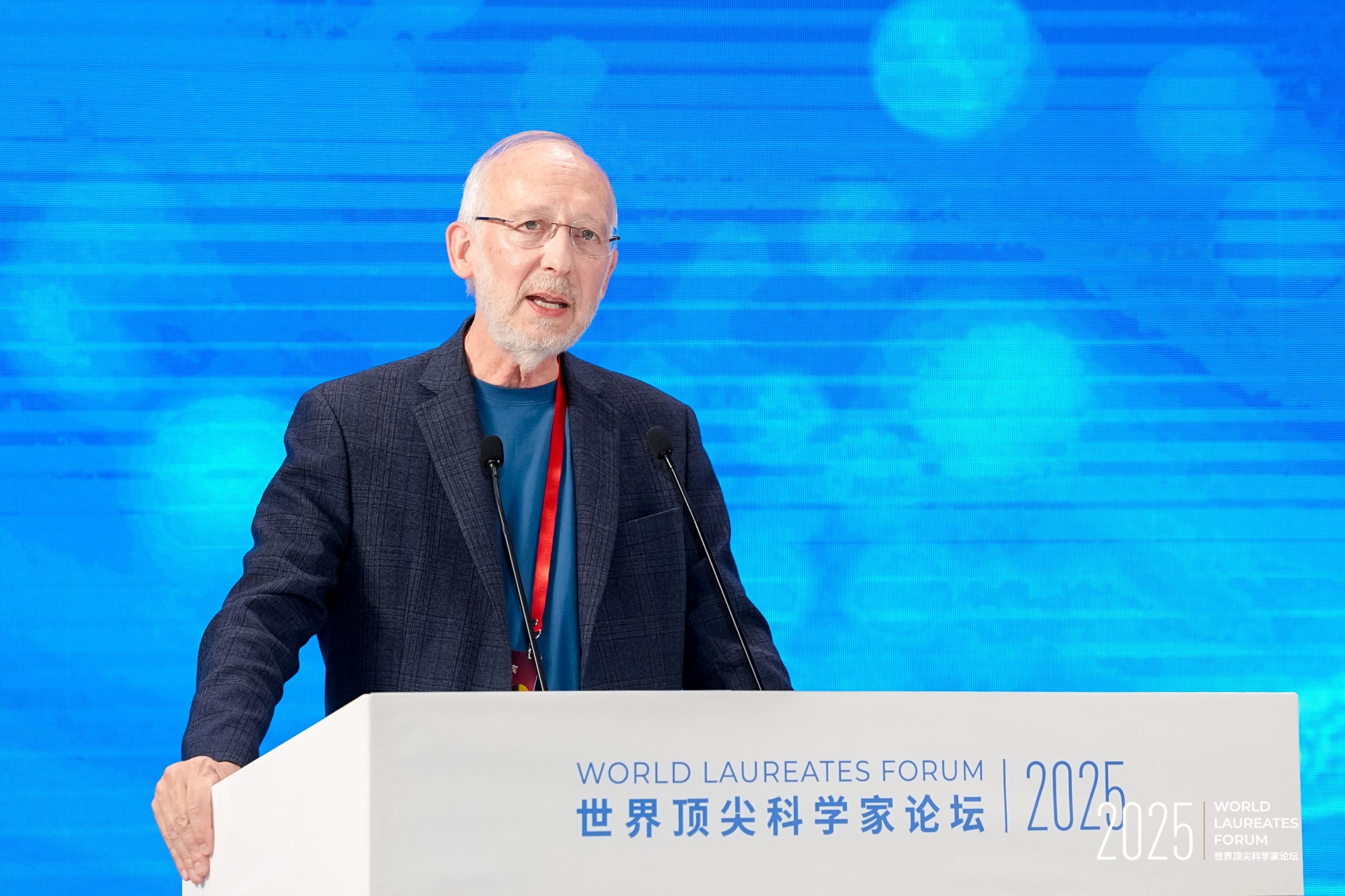
Professor Don CLEVELAND of the University of California, San Diego, pioneer of gene-silencing therapy, discussed the latest clinical progress and translational potential of antisense oligonucleotide (ASO) technology in treating ALS, PD, and AD.
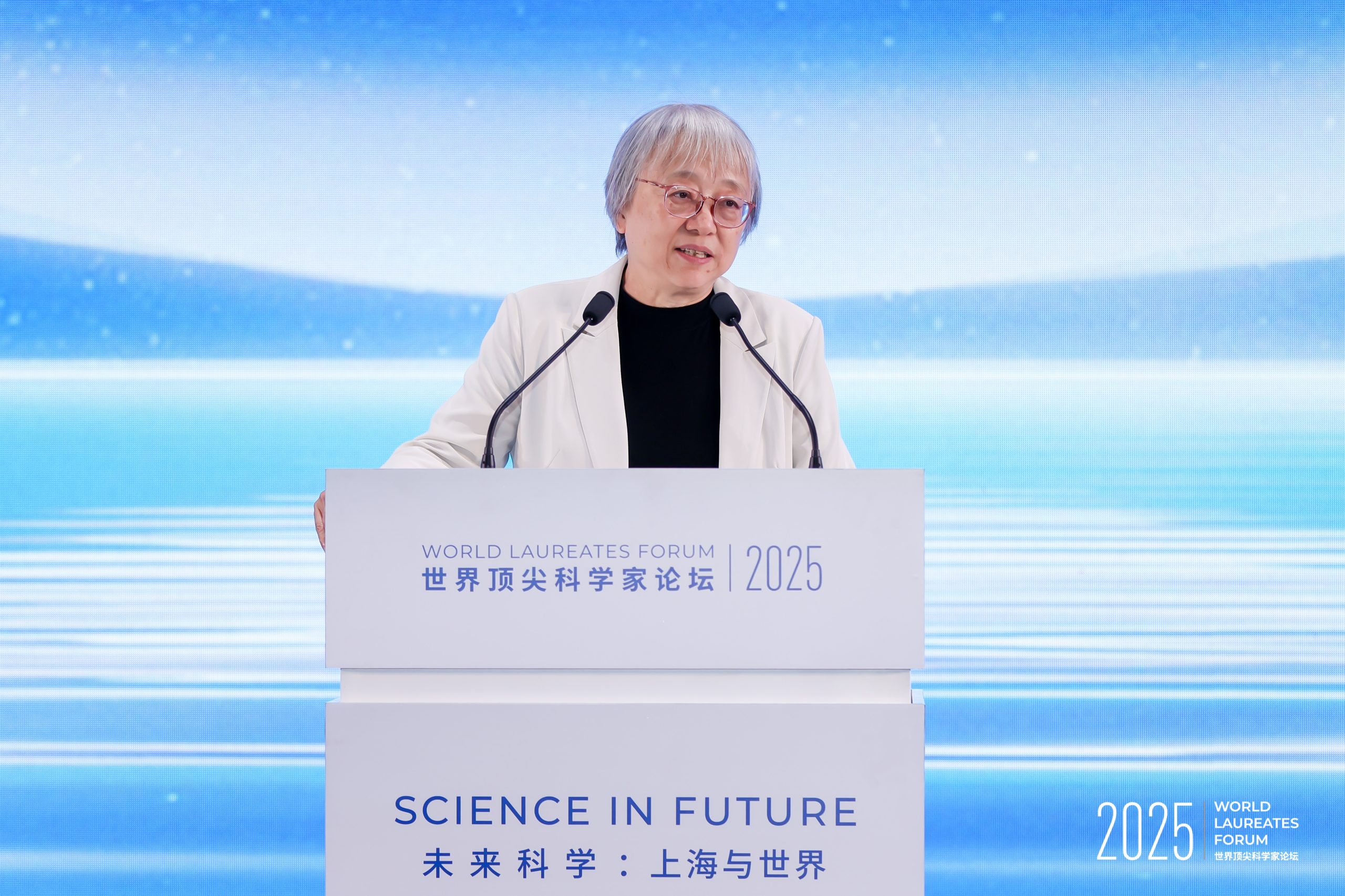
Professor YUAN Junying, Foreign Academician of the Chinese Academy of Sciences, presented her pioneering discoveries on neuroinflammation and RIPK1-mediated programmed necrosis, opening new avenues for anti-inflammatory therapies in neurodegenerative diseases.
Deep Dive into Core Topics
Breakthroughs Across AD, PD, and ALS
The symposium generated fruitful discussions across the three major disease areas:
Alzheimer’s Disease (AD): Experts examined APOE4 biology, amyloid processing, and neuronal dysfunction. Professor BU Guojun of The Hong Kong University of Science and Technology revealed the interplay between ApoE biology and lipid metabolism in AD, proposing new therapeutic strategies targeting lipid homeostasis. Professor HUANG Yadong of the University of California, San Francisco reshaped current understanding of APOE4-induced neuronal dysfunction and emphasized efforts to translate these insights into clinical interventions.
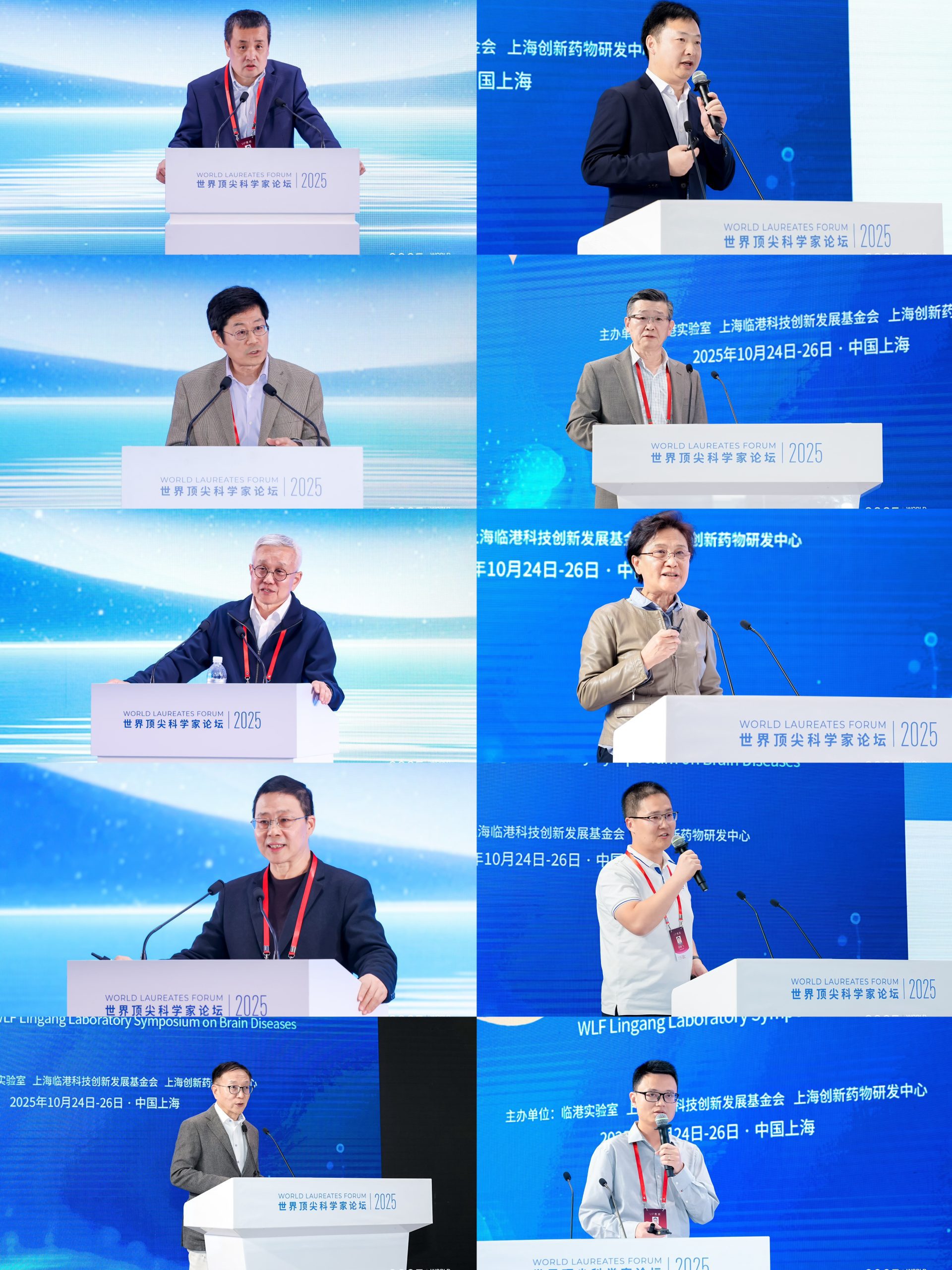
Parkinson’s Disease (PD): Discussions centered on α-synuclein aggregation and neuroinflammatory strategies. Findings from Professor SPILLANTINI continued to strengthen mechanistic understanding of α-synuclein pathology, laying a solid theoretical foundation for precision-targeted therapies.
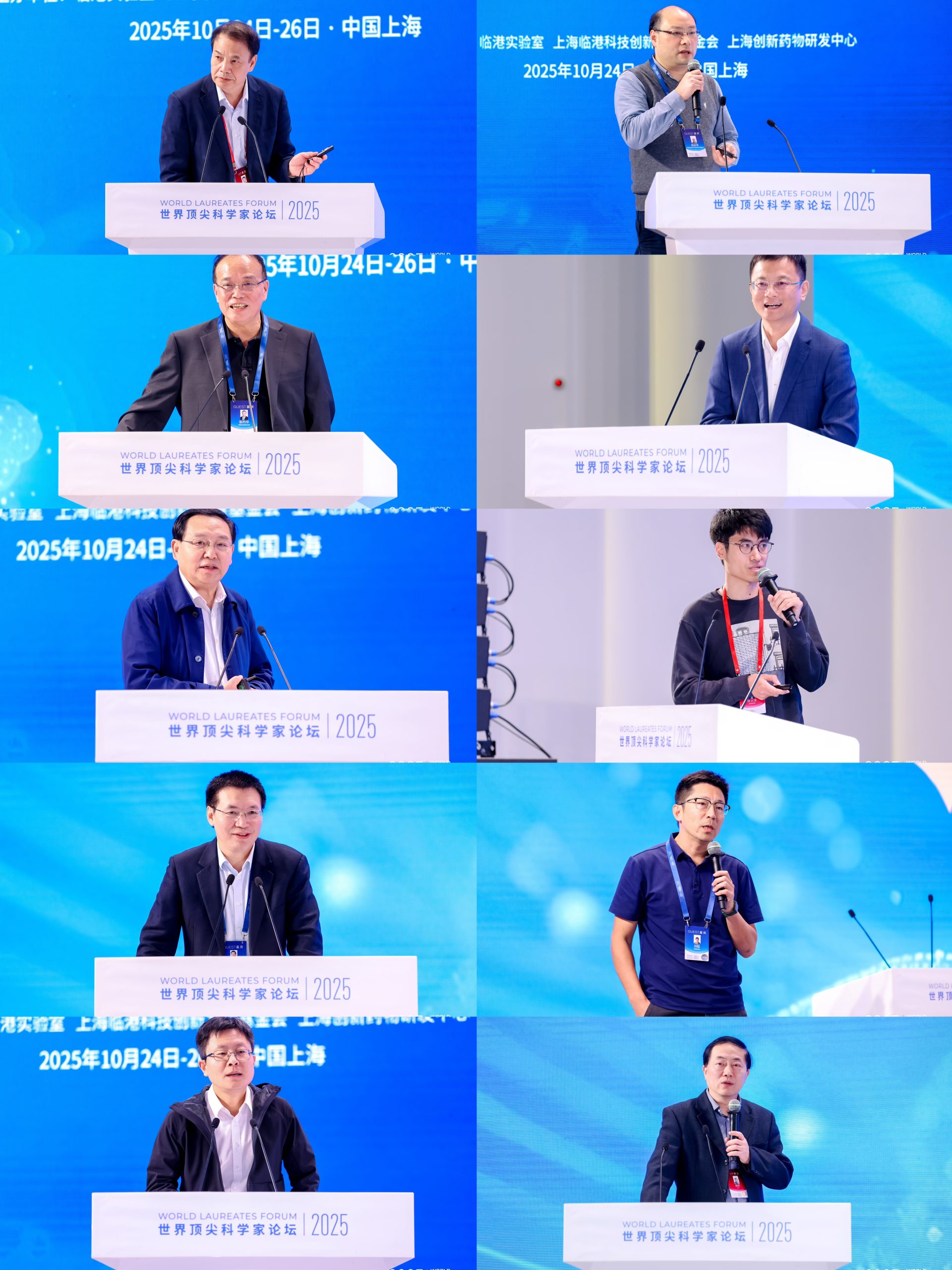
Amyotrophic Lateral Sclerosis (ALS): Key topics included molecular targets for motor neuron degeneration and drug development. Cutting-edge discussions highlighted the application and translational promise of ASO therapies, demonstrating strong momentum in bridging foundational discoveries with clinical progress.
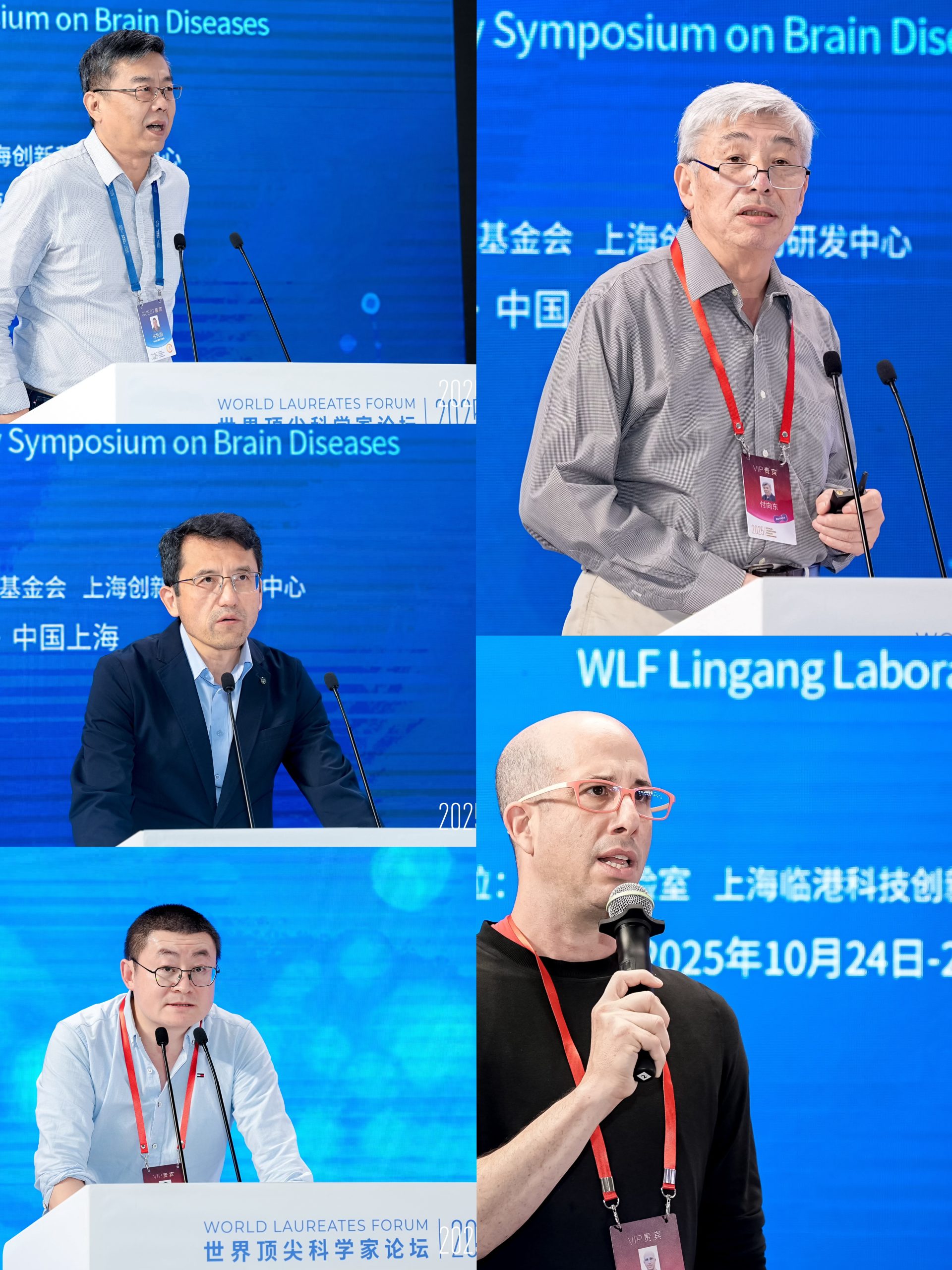
“Standing Talks” Ignite Innovation
Young Scholars Inspired
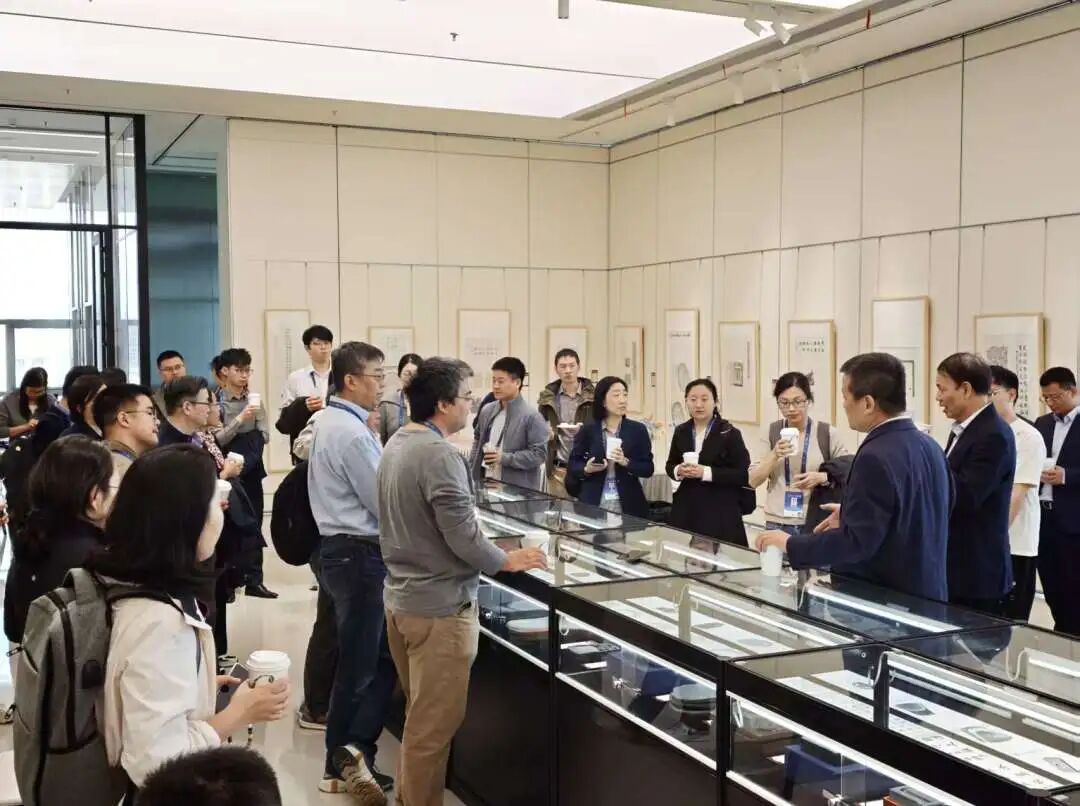
A distinctive highlight of this year’s symposium was its innovative approach to academic exchange. Instead of traditional seated formats, the event encouraged open and informal “standing talks,” prompting spontaneous conversation and intellectual collision. This relaxed environment fostered closer interaction between world-leading scientists and young scholars. Participants freely exchanged perspectives, debated scientific challenges, and shared frontier insights. Many leading scientists noted that engaging with younger generations not only supports future talent but also fuels their own scientific inspiration. This cross-generational mentorship deeply inspired every young researcher in attendance.
Scientific exploration is like a Möbius strip and has no end. The Shanghai Lingang Science and Technology Innovation Development Foundation looks forward to continuing this journey alongside the global scientific community, transforming today’s insights into tomorrow’s tangible hope for patients.