
News

On the Möbius Night, Witnessing the Power of “Useless Use” and the Surge of Scientific Inspiration

:2025-11-25

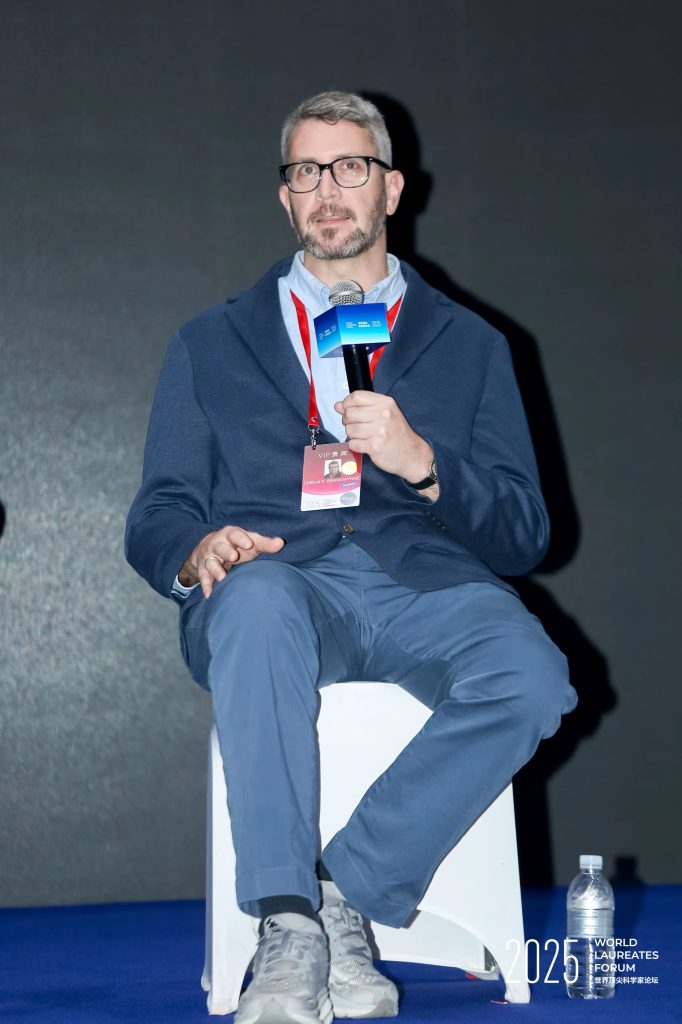
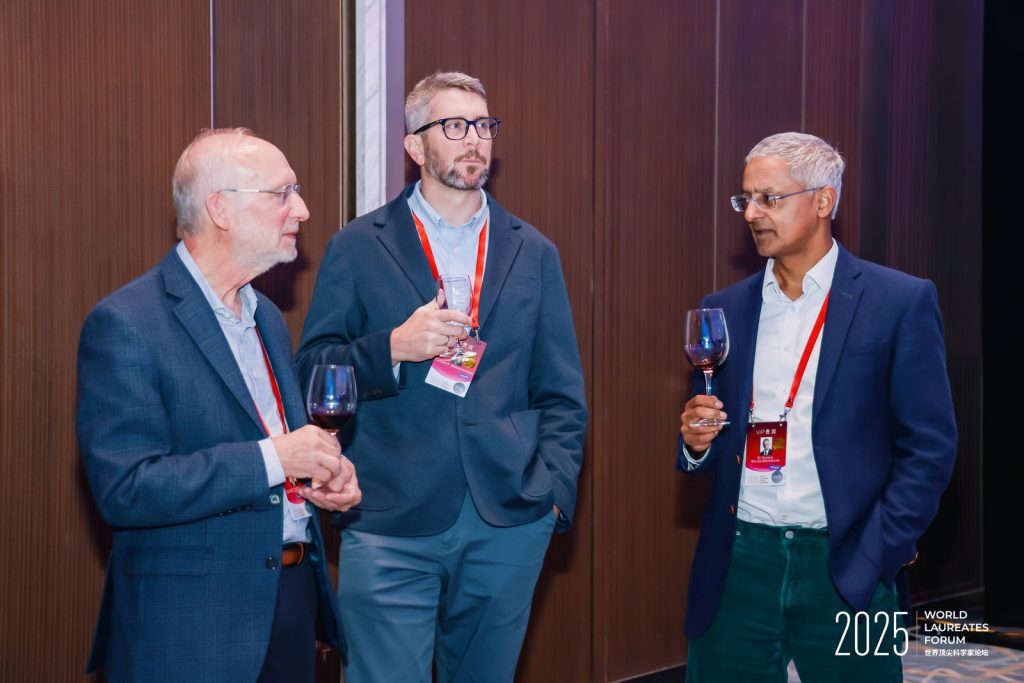
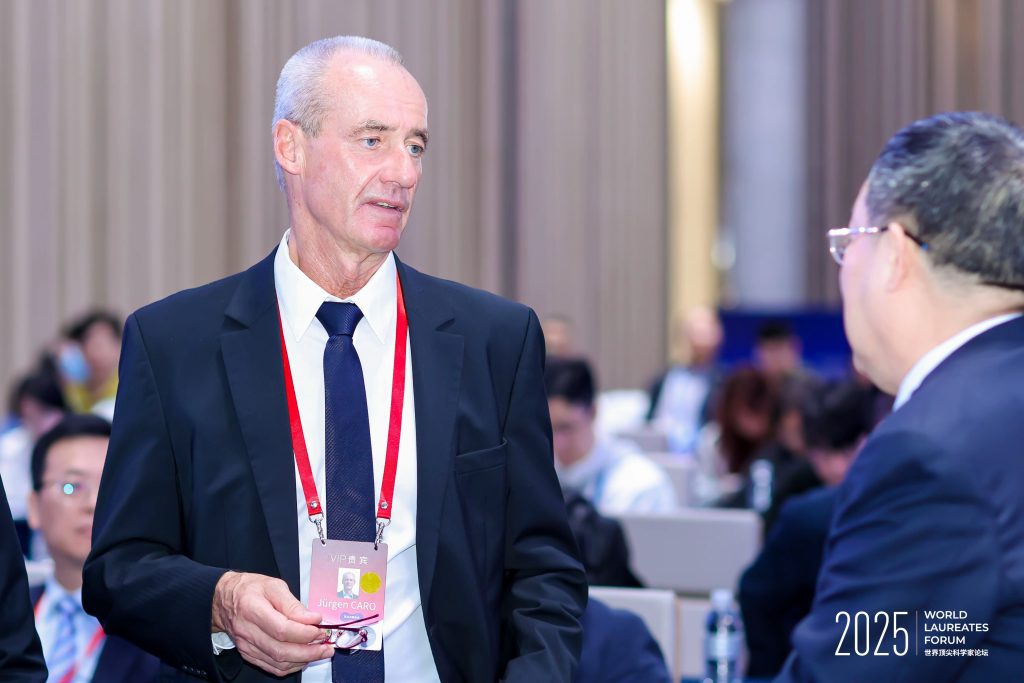
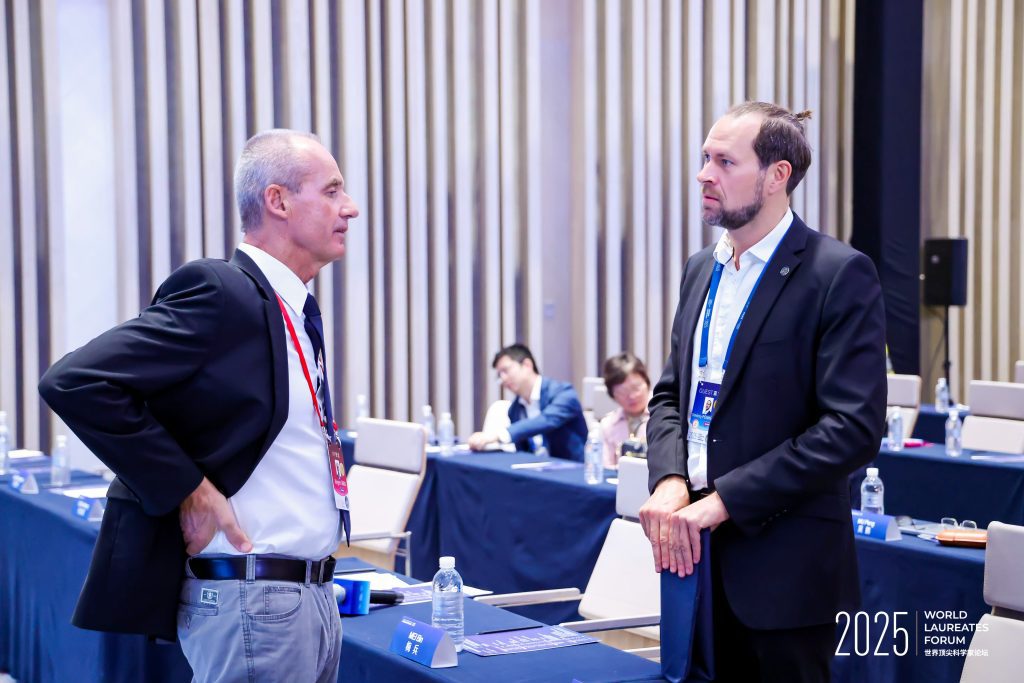
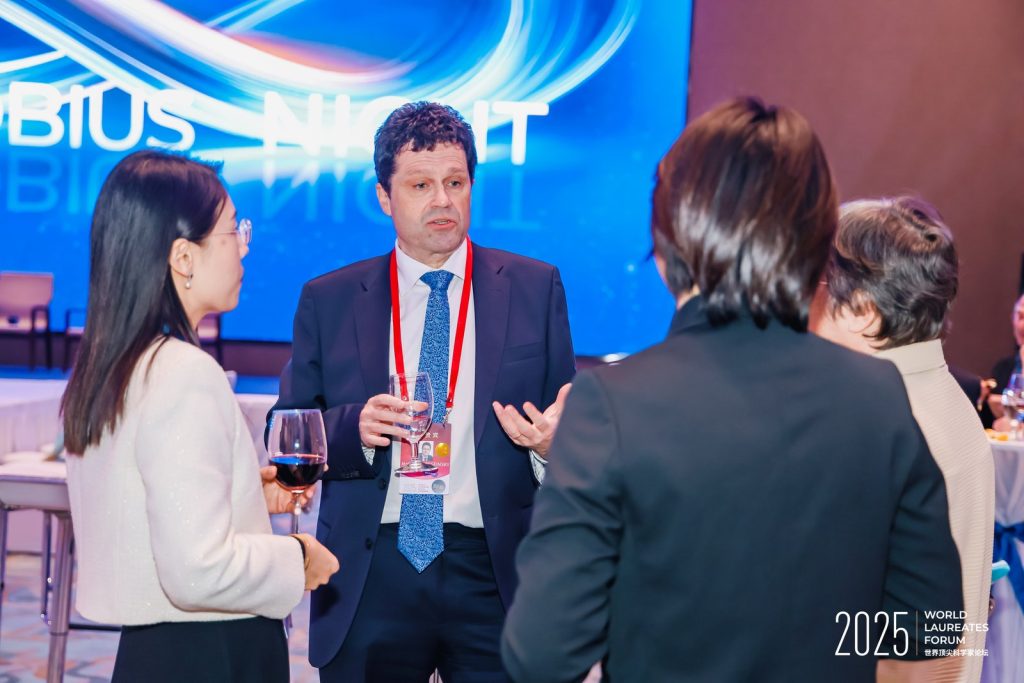
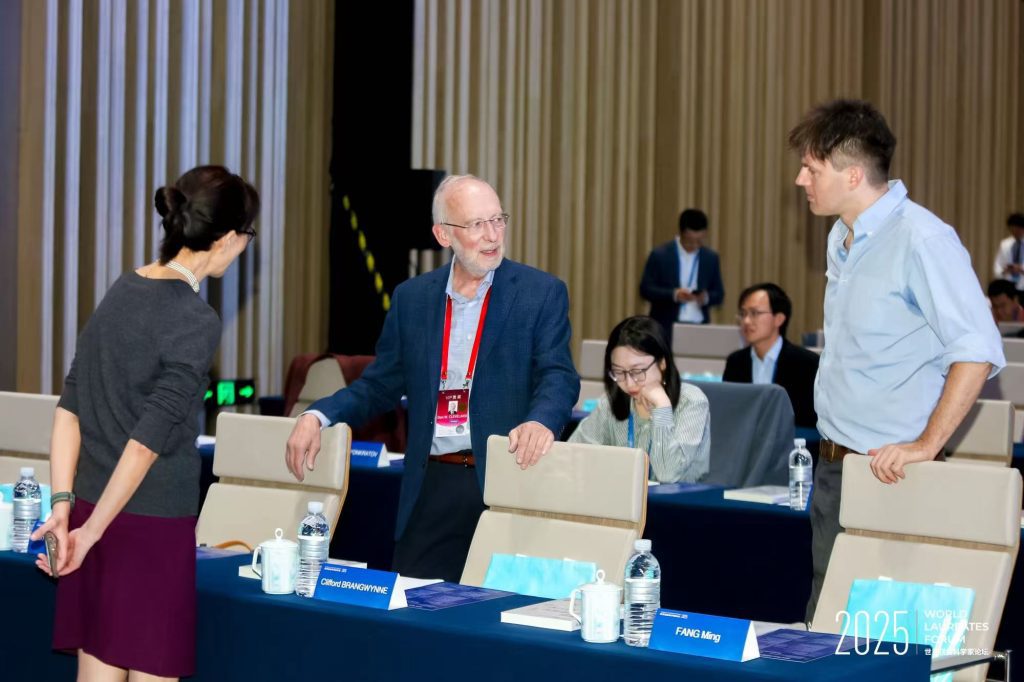
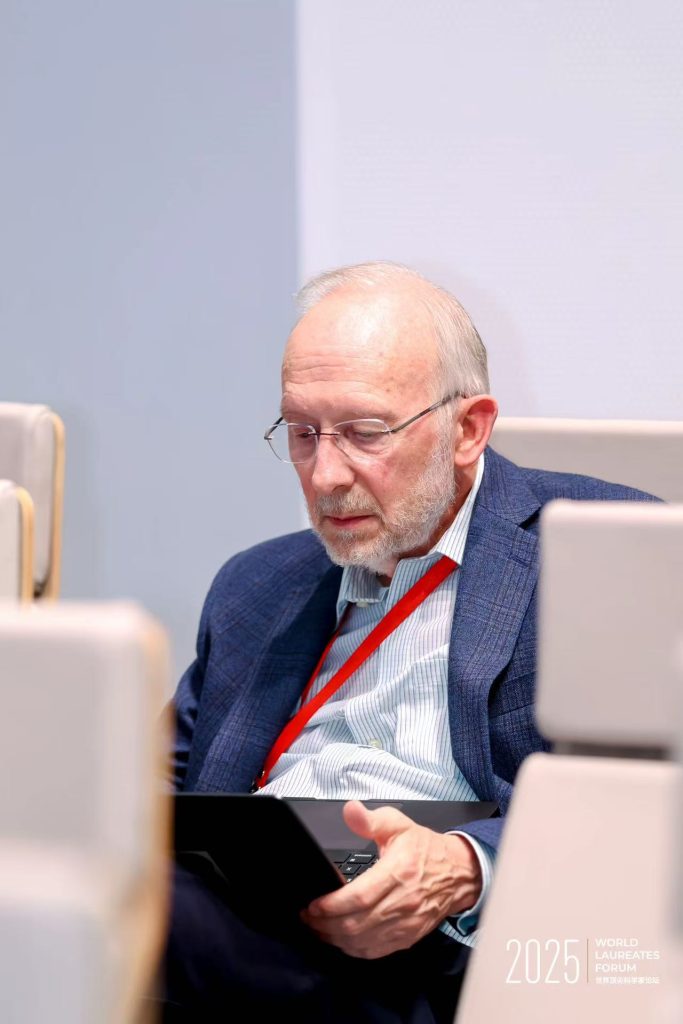
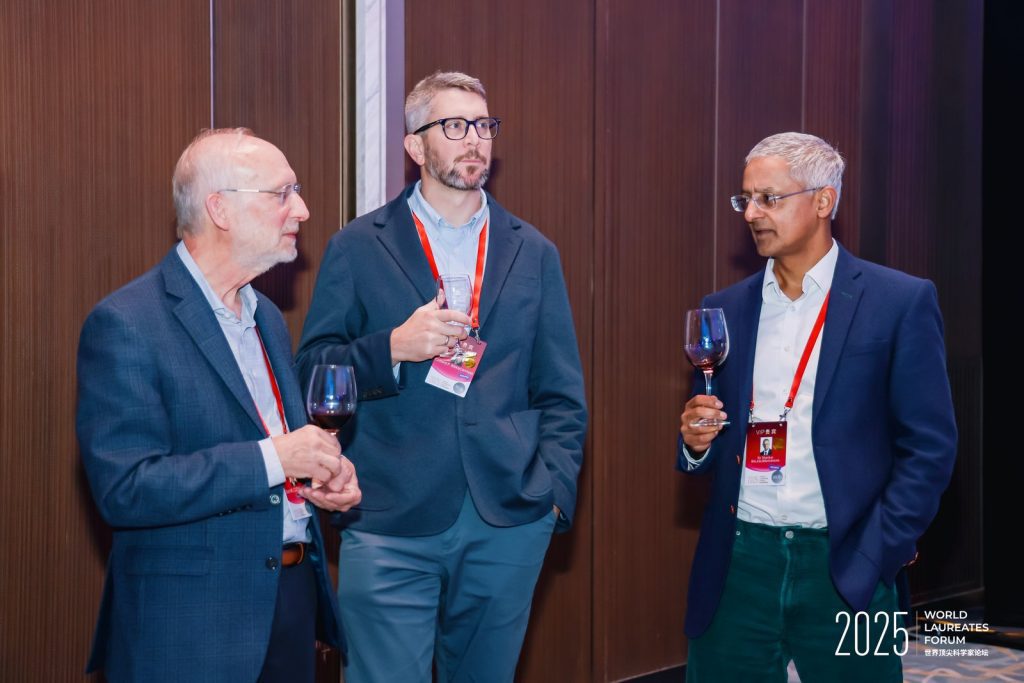
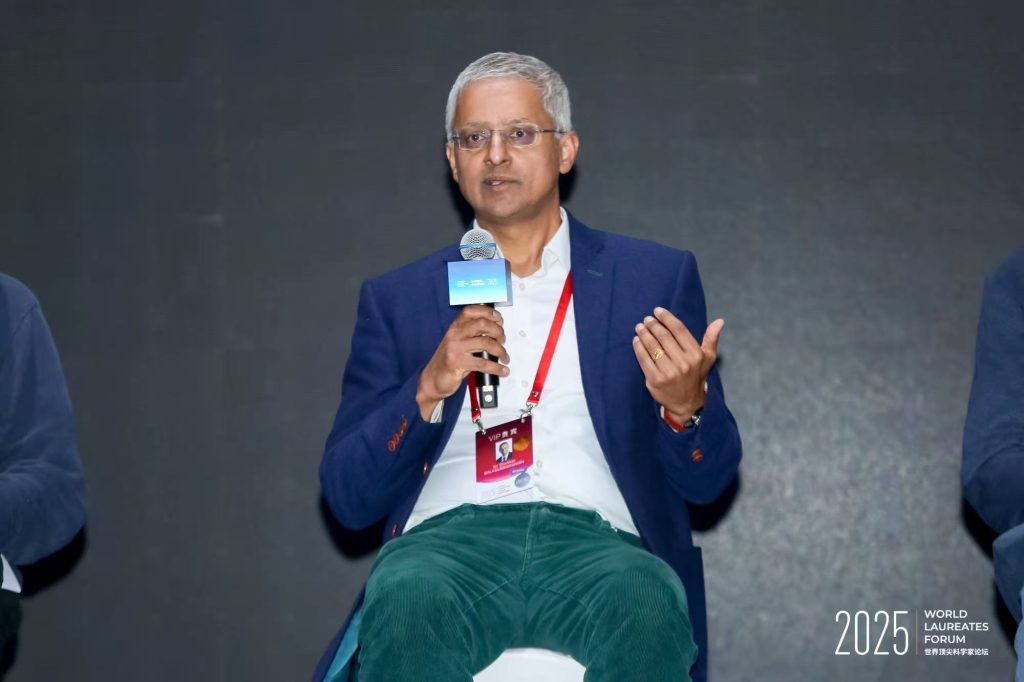
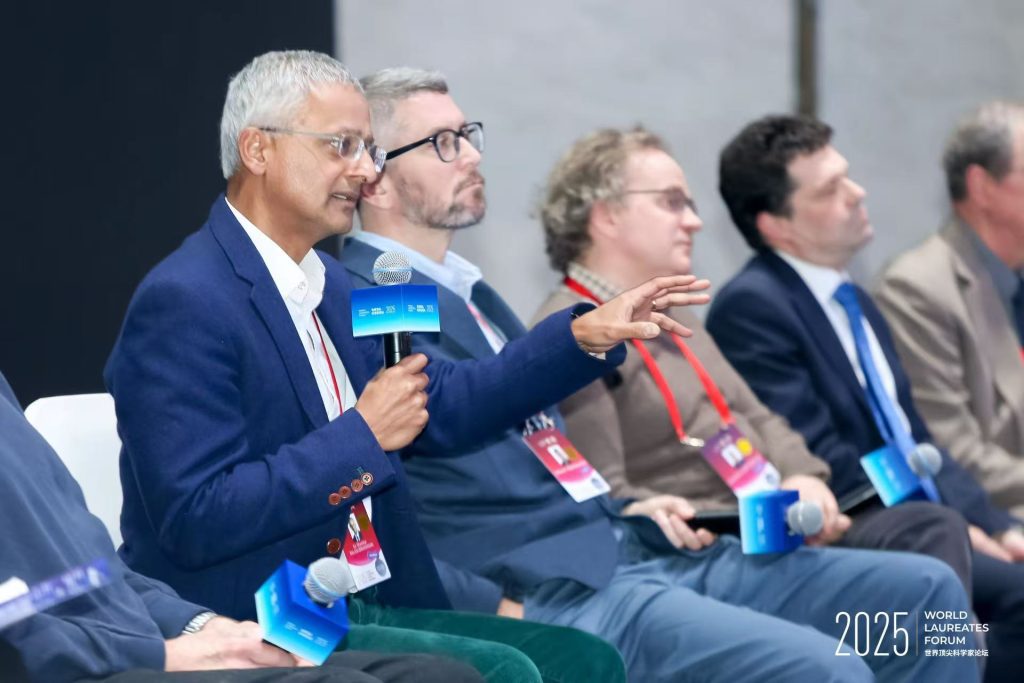
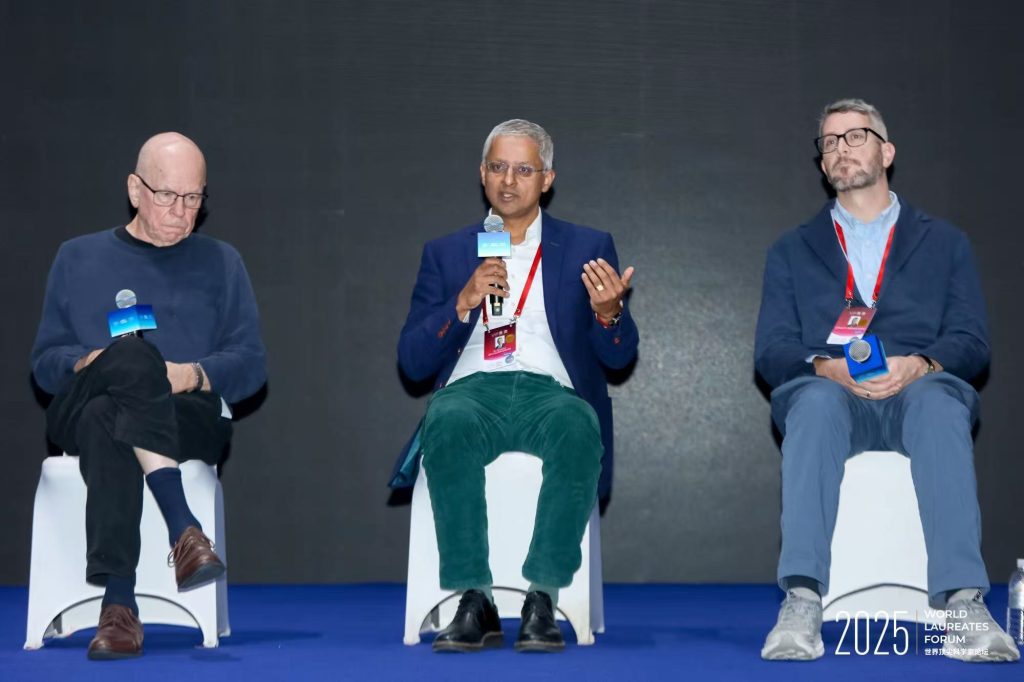
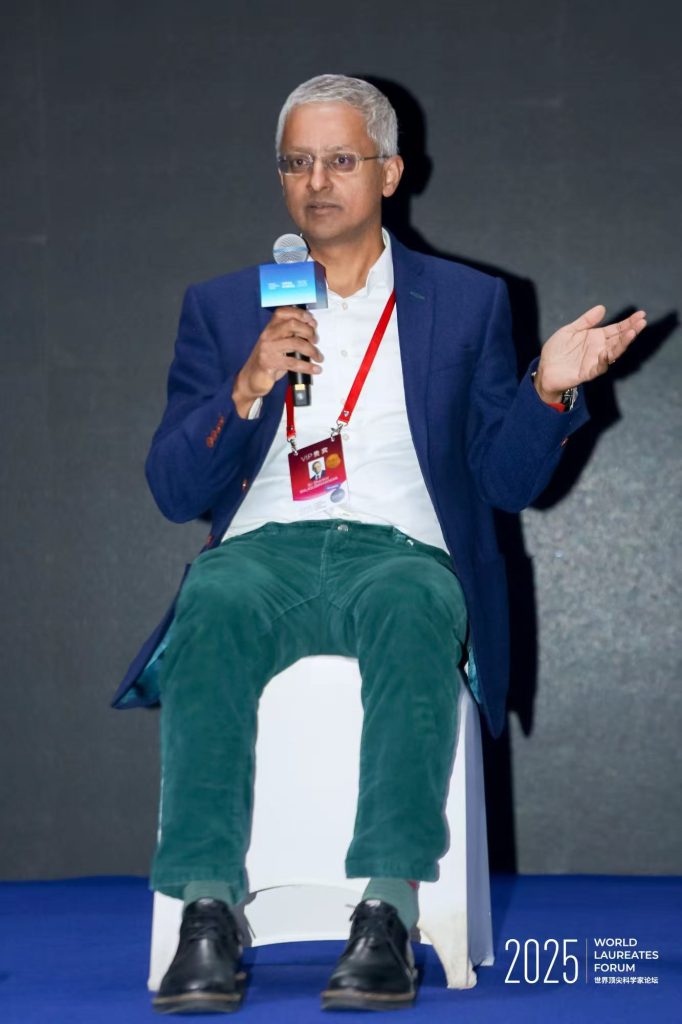
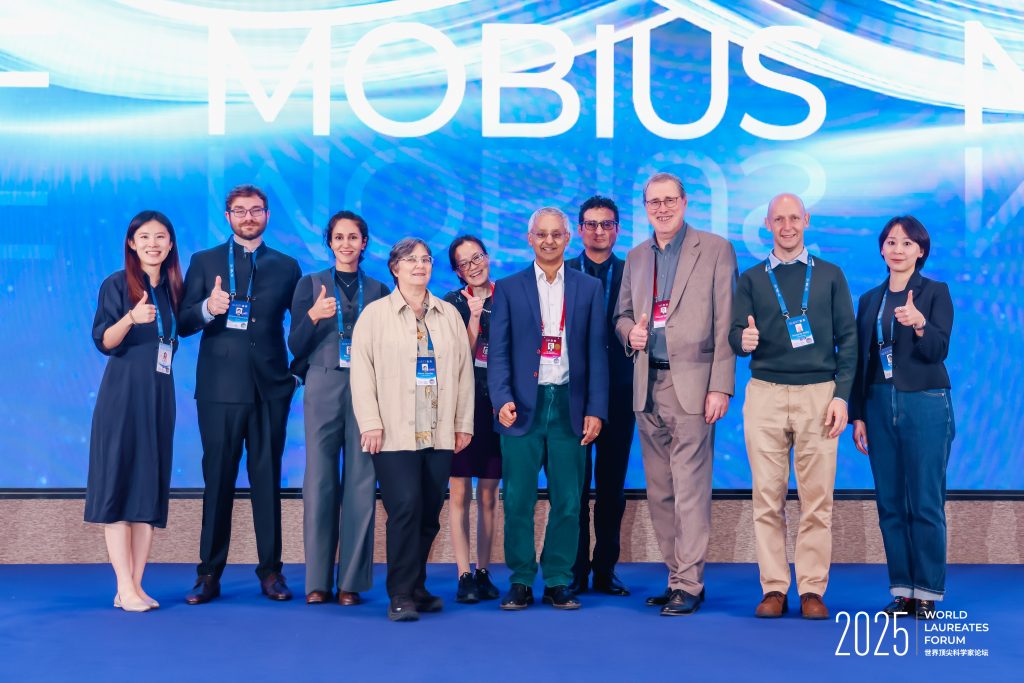
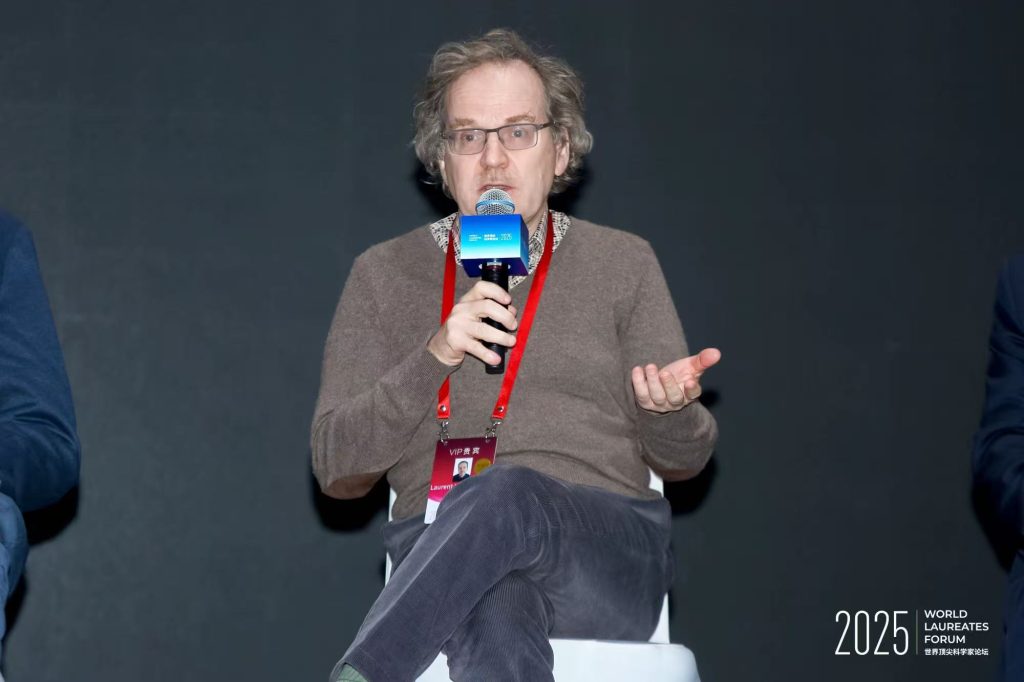
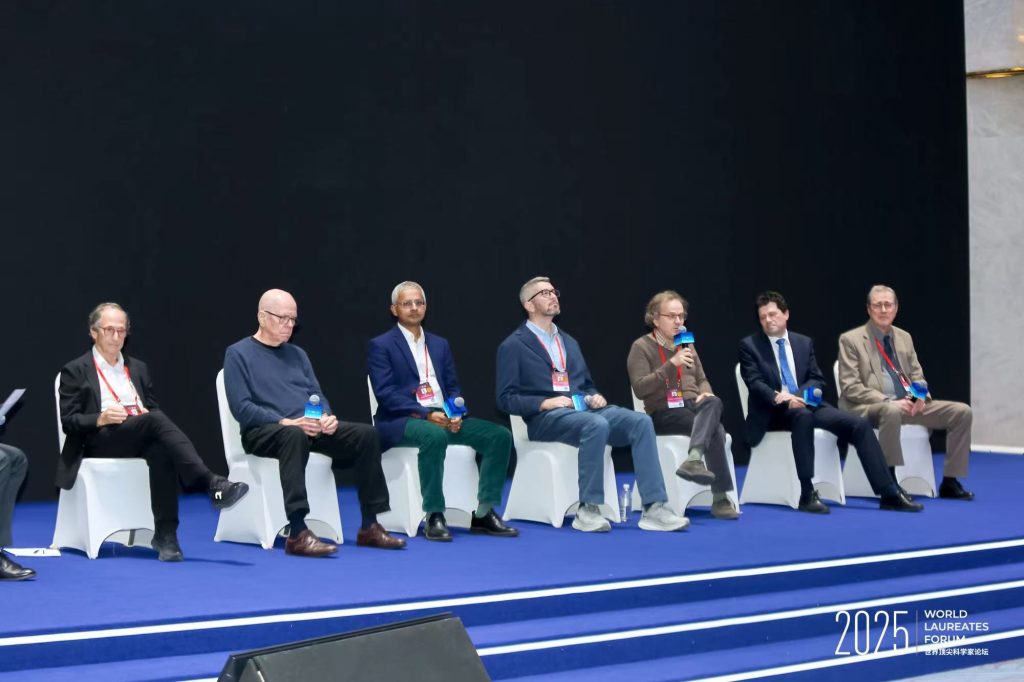
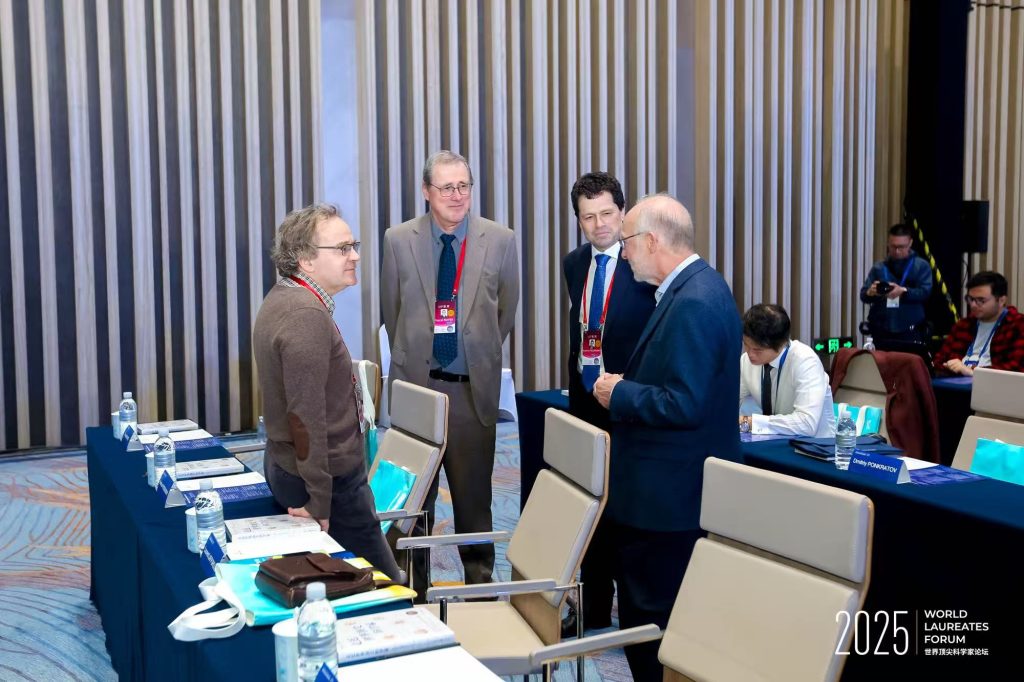
Shanghai Lingang, within the World Laureates Forum, there is one scene that remains utterly unique: No preset agenda. No glowing slides. Only the wavering light of wine glasses, and sparks of thought igniting across the room. This is WLF Möbius Night, a space we believe best embodies the original spirit of scientific exchange.

The 2025 edition once again reaffirmed our core conviction: many of humanity’s greatest scientific breakthroughs are born not in formulas or agendas, but in the spaces in between. As the host, we are not merely organizers, we are builders and witnesses of this scientific “ideal realm.” We strive to dismantle the invisible walls, allowing cross-disciplinary and cross-generational dialogue to unfold freely and authentically.


The Art of Intentional “Blank Space”: Returning Conversation to Its Origins

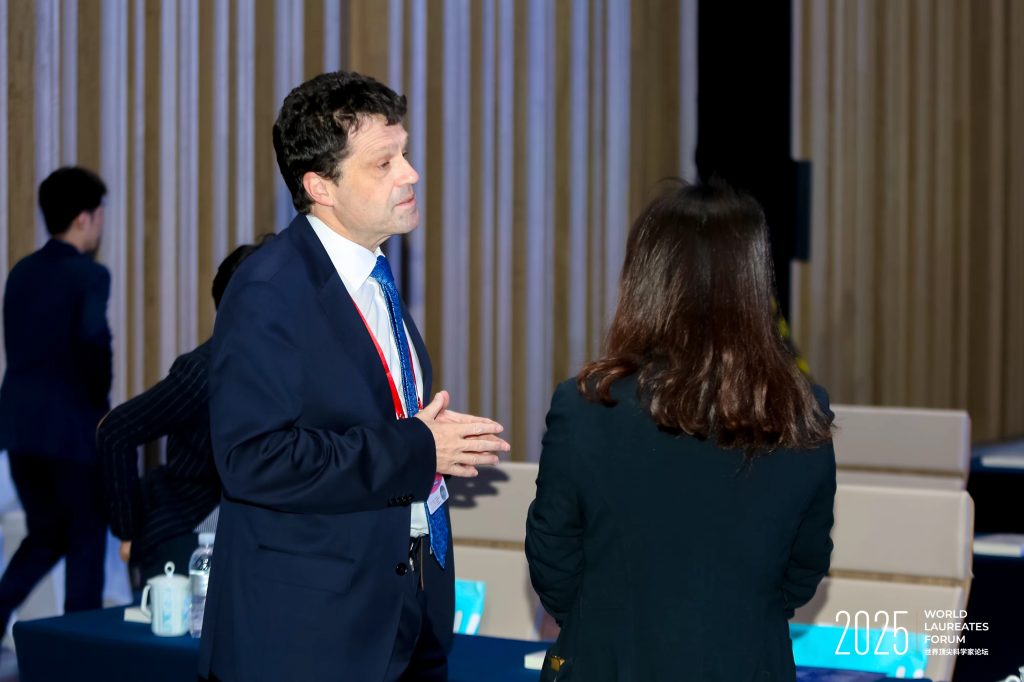
We deliberately removed everything that has become a “standard feature” of modern conferences. When a Nobel Laureate specializing in DNA repair sits beside a young scholar pushing the boundaries of quantum computing, there are no scripts, only a shared curiosity about the unknown. In such an “informal” setting, stripped of titles and seniority, ideas meet in their purest form. It was here that an imaginative conversation on merging DNA repair mechanisms with quantum algorithms once emerged, an example of the boundless creativity this space is designed to cultivate.


A Dual Mission: Bridging Theory and Industry, Connecting Lingang and the World


Carving “canals” through disciplinary boundaries

We witnessed an intense debate on traditional medicine vs. modern biotechnology.
This was more than a clash between old and new paradigms, and it reflected our commitment to integrating organized research with scientist-driven exploration.
In Lingang’s fertile environment for innovation, such collisions are precisely what support breakthroughs beyond disciplinary silos.


Pressing the fast-forward button for translation and application

WLF Möbius Night is not only a furnace of ideas, it is also a starting point for collaboration. We were pleased to see scientists and industry representatives, through casual conversation, quickly identify mutual needs and opportunities. This informal matchmaking often proves far more efficient than a string of formal presentations.
It is shaping a cycle of “inspiration → technology → application,” the core pathway that allows us to attract world-leading scientific resources to Lingang and support Shanghai’s mission to build a global science and innovation hub.


Notes from the Roundtable: Listening to the “Human” Behind the Science


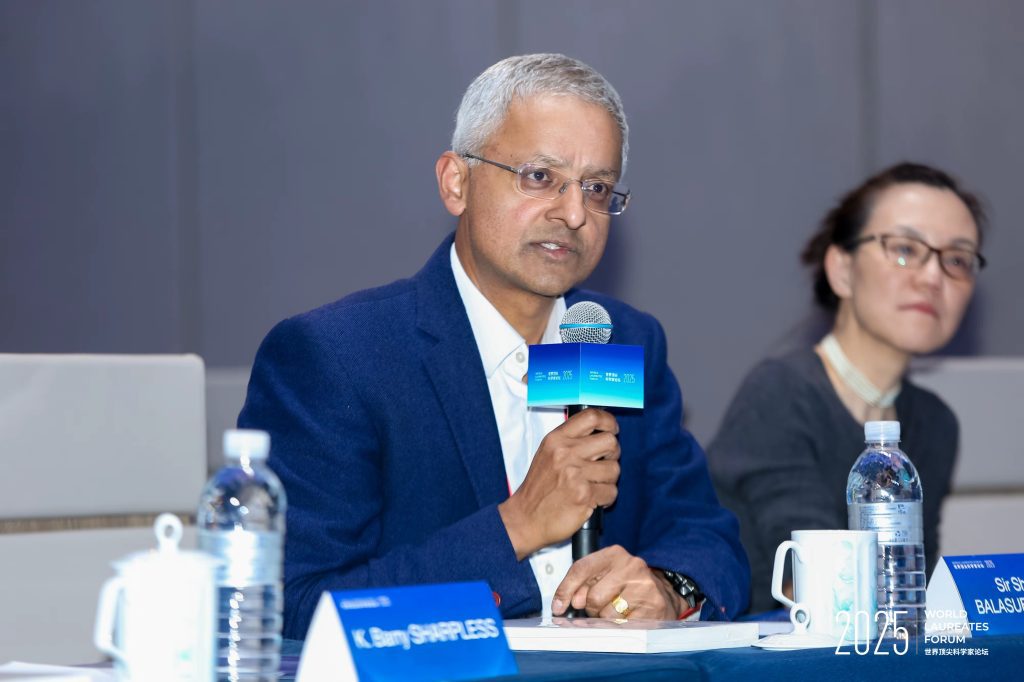
In the gentle flicker of candlelight, we captured voices that reveal more about the essence of science than any technical report could.


On the “ten-year promise”

When asked where they would invest research energy if granted ten years of stable funding, their answers spanned everything from astrophysics to neural decoding.


On “looking back”

When recalling their most formative moments, scientists spoke of mentors’ silhouettes, chance academic encounters, and the lone lamp glowing in a late-night lab. These quiet fragments mark the starting points of each scientist’s unique trajectory.


On the “institute of the future”

When imagining the ideal research institute, several themes emerged repeatedly:
“tear down walls,” “free movement,” and “embrace failure.”


On “time in China”

Many scientists shared their research and life experiences in Shanghai, memories woven between rigorous experimental data and the warmth of everyday city life, forming impressions both vivid and enduring.


As co-organizers of WLF Möbius Night, the Shanghai Lingang Science and Technology Innovation Development Foundation and Fudan University remain committed to serving as “keepers of the flame” for unbounded intellectual exchange. We firmly believe that the flashes of inspiration that surge through the night will, before long, illuminate humanity’s path forward.


2025 World Laureates Forum Lingang Laboratory Symposium On Brain Diseases: Global Leaders Chart a New Blueprint for Neurodegenerative Disease Research

:2025-11-18

On October 26, 2025, the three-day 2025 World Laureates Forum Lingang Laboratory Symposium on Brain Diseases concluded successfully at the Lingang Center in Shanghai. Jointly hosted by the Lingang Laboratory and the Shanghai Lingang Science and Technology Innovation Development Foundation, the symposium brought together leading minds in global brain science. Focusing on three major neurodegenerative diseases, Alzheimer’s disease (AD), Parkinson’s disease (PD), and Amyotrophic Lateral Sclerosis (ALS), participants conducted in-depth discussions on disease mechanisms, technological innovations, therapeutic strategies, and translational development.


The symposium attracted 35 internationally renowned disease biologists, including Nobel Laureates and academicians from multiple countries. Dozens of high-level academic sessions were held, drawing nearly 300 domestic and international experts for scholarly exchange. As one of the organizers, the Shanghai Lingang Science and Technology Innovation Development Foundation was honored to support this high-standard global dialogue platform and foster collaborative innovation in brain disease research.


Leading Scientists Unveil Frontiers of Neurodegeneration Research


The academic caliber of the symposium was set by a distinguished group of world-leading scientists.


Randy SCHEKMAN, Nobel Laureate in Physiology or Medicine and a key architect of the global roadmap for Parkinson’s disease research, shared the overarching blueprint of the ASAP (Aligning Science Across Parkinson’s) initiative, highlighting its systematic approach to deciphering PD pathogenesis.

Professor Maria G. SPILLANTINI, Member of the European Academy of Sciences and discoverer of α-synuclein, delivered an in-depth report on her latest breakthroughs in the molecular mechanisms and therapeutic innovations for Parkinson’s disease and related dementias.


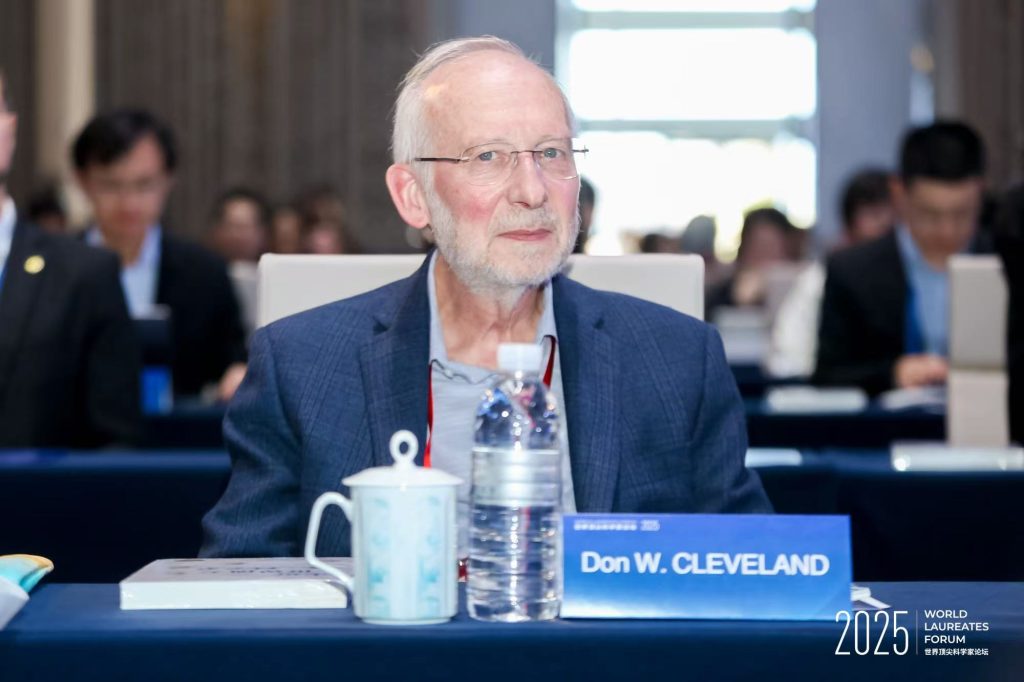
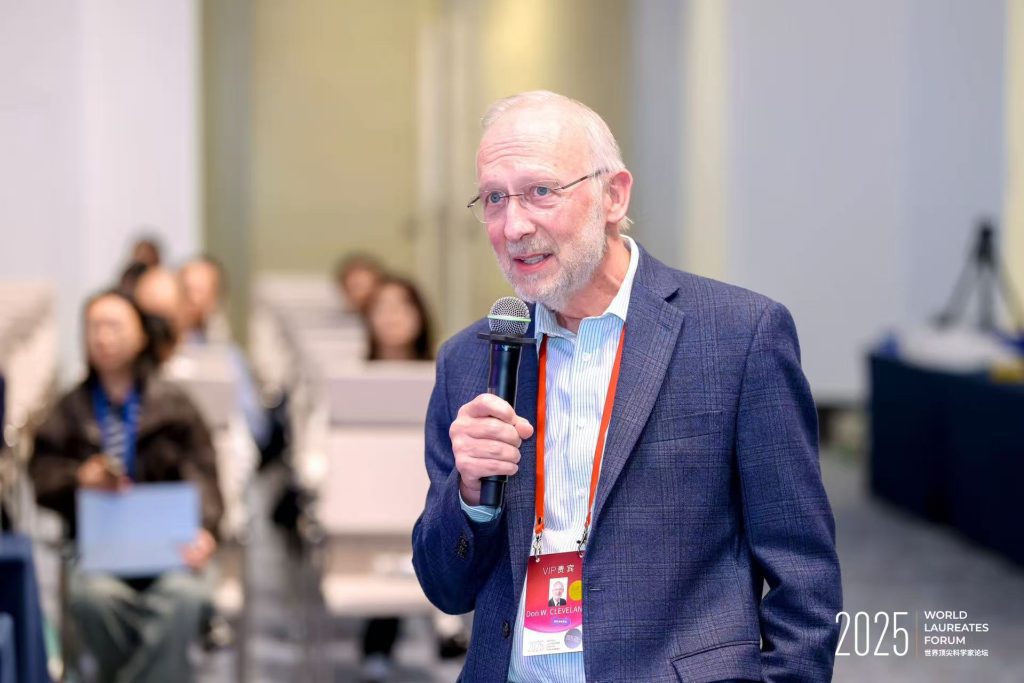
Professor Don CLEVELAND of the University of California, San Diego, pioneer of gene-silencing therapy, discussed the latest clinical progress and translational potential of antisense oligonucleotide (ASO) technology in treating ALS, PD, and AD.


Professor YUAN Junying, Foreign Academician of the Chinese Academy of Sciences, presented her pioneering discoveries on neuroinflammation and RIPK1-mediated programmed necrosis, opening new avenues for anti-inflammatory therapies in neurodegenerative diseases.


Deep Dive into Core Topics
Breakthroughs Across AD, PD, and ALS


The symposium generated fruitful discussions across the three major disease areas:

Alzheimer’s Disease (AD):  Experts examined APOE4 biology, amyloid processing, and neuronal dysfunction. Professor BU Guojun of The Hong Kong University of Science and Technology revealed the interplay between ApoE biology and lipid metabolism in AD, proposing new therapeutic strategies targeting lipid homeostasis. Professor HUANG Yadong of the University of California, San Francisco reshaped current understanding of APOE4-induced neuronal dysfunction and emphasized efforts to translate these insights into clinical interventions.

Parkinson’s Disease (PD): Discussions centered on α-synuclein aggregation and neuroinflammatory strategies. Findings from Professor SPILLANTINI continued to strengthen mechanistic understanding of α-synuclein pathology, laying a solid theoretical foundation for precision-targeted therapies.


Amyotrophic Lateral Sclerosis (ALS): Key topics included molecular targets for motor neuron degeneration and drug development. Cutting-edge discussions highlighted the application and translational promise of ASO therapies, demonstrating strong momentum in bridging foundational discoveries with clinical progress.


“Standing Talks” Ignite Innovation

Young Scholars Inspired

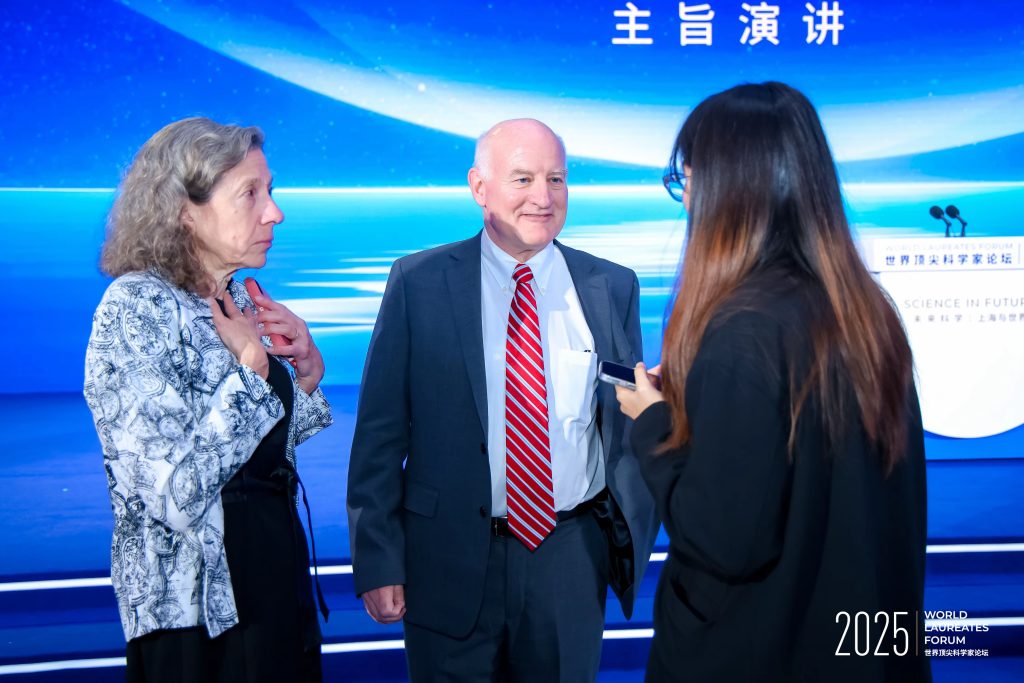
A distinctive highlight of this year’s symposium was its innovative approach to academic exchange. Instead of traditional seated formats, the event encouraged open and informal “standing talks,” prompting spontaneous conversation and intellectual collision. This relaxed environment fostered closer interaction between world-leading scientists and young scholars. Participants freely exchanged perspectives, debated scientific challenges, and shared frontier insights. Many leading scientists noted that engaging with younger generations not only supports future talent but also fuels their own scientific inspiration. This cross-generational mentorship deeply inspired every young researcher in attendance.


Scientific exploration is like a Möbius strip and has no end. The Shanghai Lingang Science and Technology Innovation Development Foundation looks forward to continuing this journey alongside the global scientific community, transforming today’s insights into tomorrow’s tangible hope for patients.


Bridging Science Across the World: Leading Scholars Explore How AI Is Transforming Life Sciences

:2025-11-13


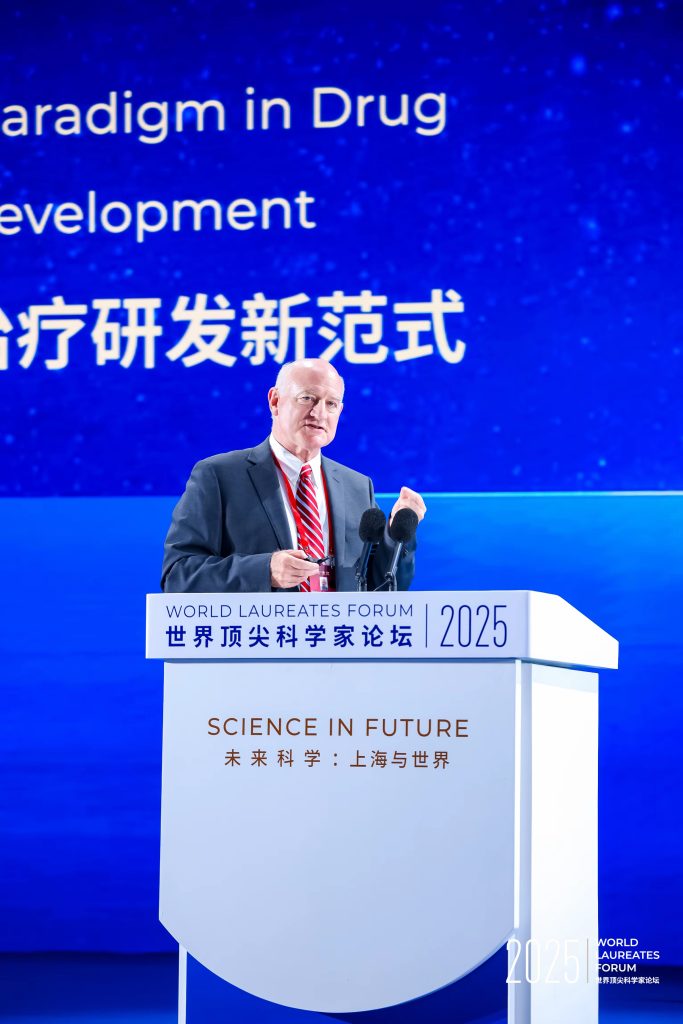
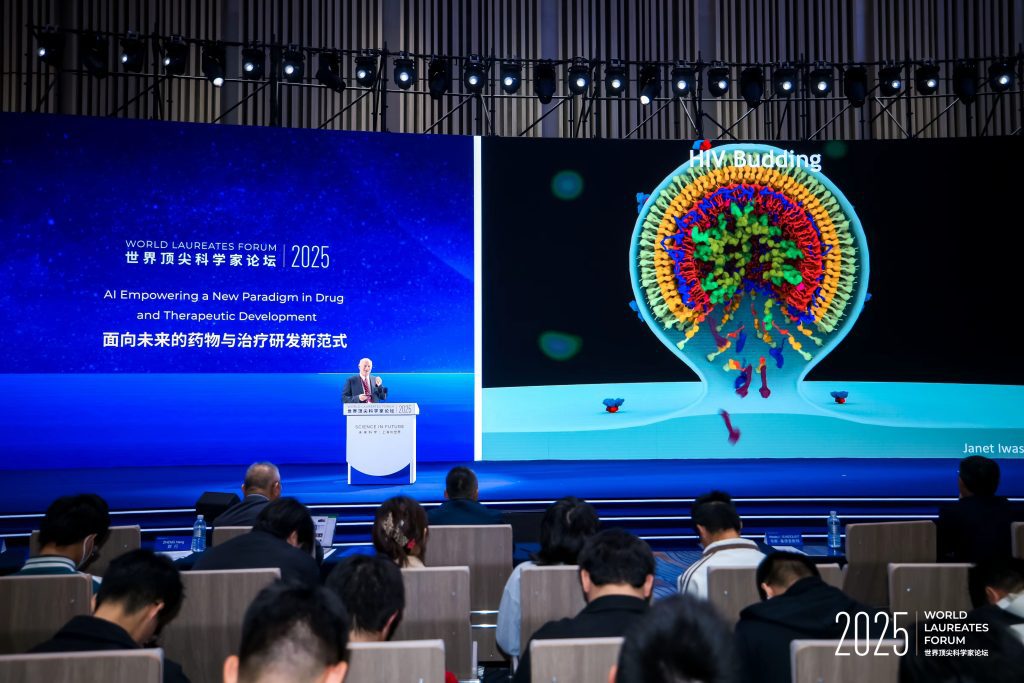
On October 25, 2025, the 2025 World Laureates Forum (WLF) Life Sciences Conference, jointly organized by the Shanghai Lingang Science and Technology Innovation Development Foundation and Shanghai Jiao Tong University (SJTU), was successfully held at the Lingang Center. As a core component of the World Laureates Forum, this year’s conference, themed “AI-Enabled New Paradigms for Drug and Therapeutics Development,” brought together leading scientists, medical experts, and young researchers from across the globe to explore revolutionary pathways in life sciences.


01 Gathering of World-Leading Minds


The conference was co-chaired by: K. Barry SHARPLESS, two-time Nobel Laureate in Chemistry (2001 & 2022) and Professor at The Scripps Research Institute; Professor DING Kuiling, Academician of the Chinese Academy of Sciences (CAS) and President of Shanghai Jiao Tong University; Professor FAN Xianqun, Academician of the Chinese Academy of Engineering (CAE), Vice President of SJTU, and Dean of the School of Medicine; Professor E Weinan, Academician of the Chinese Academy of Sciences and Chief Advisor of the SJTU School of Artificial Intelligence.


The conference was hosted by Academician FAN Xianqun, bringing together dozens of senior scientists from around the world and over a hundred outstanding young scholars and students for a high-level, cross-disciplinary exchange.


During the opening ceremony, Professor SHARPLESS and Academician DING delivered keynote remarks.


Professor SHARPLESS emphasized that “the integration of artificial intelligence with traditional drug discovery is revolutionizing medicine, creating a leap from design to development and enabling precision-targeted therapies.”


Academician DING highlighted that AI is becoming a transformative force reshaping research and medical technology development. He stressed that SJTU remains committed to fostering an innovation ecosystem integrating artificial intelligence, medicine, and fundamental sciences to drive scientific translation and technological breakthroughs.


02 Sparks of Scientific Dialogue


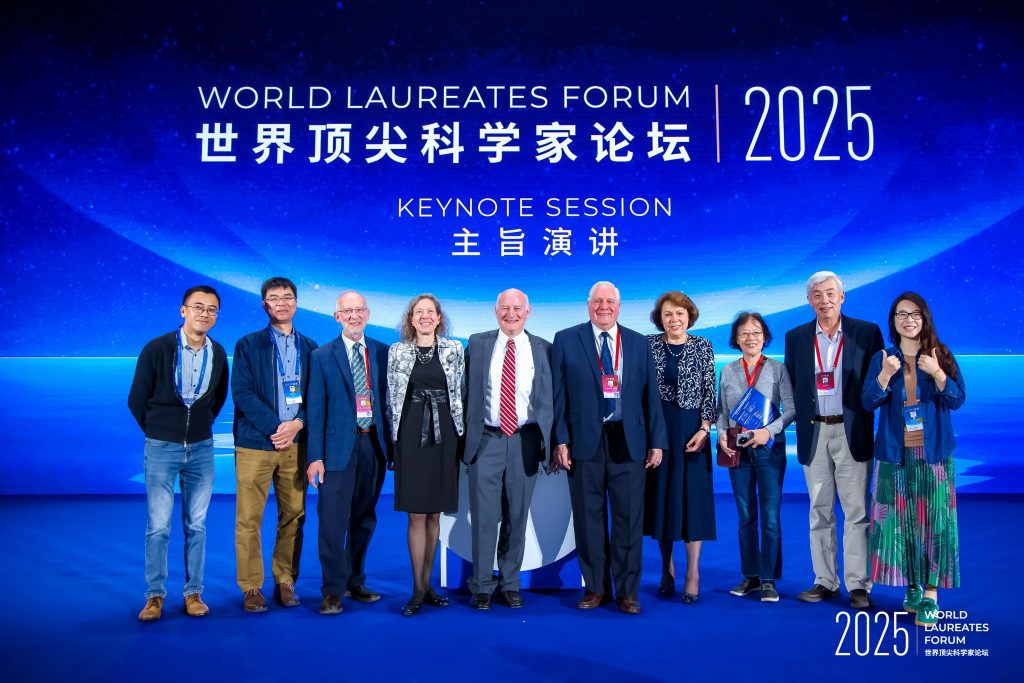
During the Keynote Forum, several internationally renowned experts shared frontier research insights and future perspectives.


Academician E Weinan delivered a keynote speech titled “AI-Enabled Scientific Research Infrastructure.” He argued that AI is pushing scientific research paradigms into a new phase, and building AI-driven scientific infrastructure is now imperative.


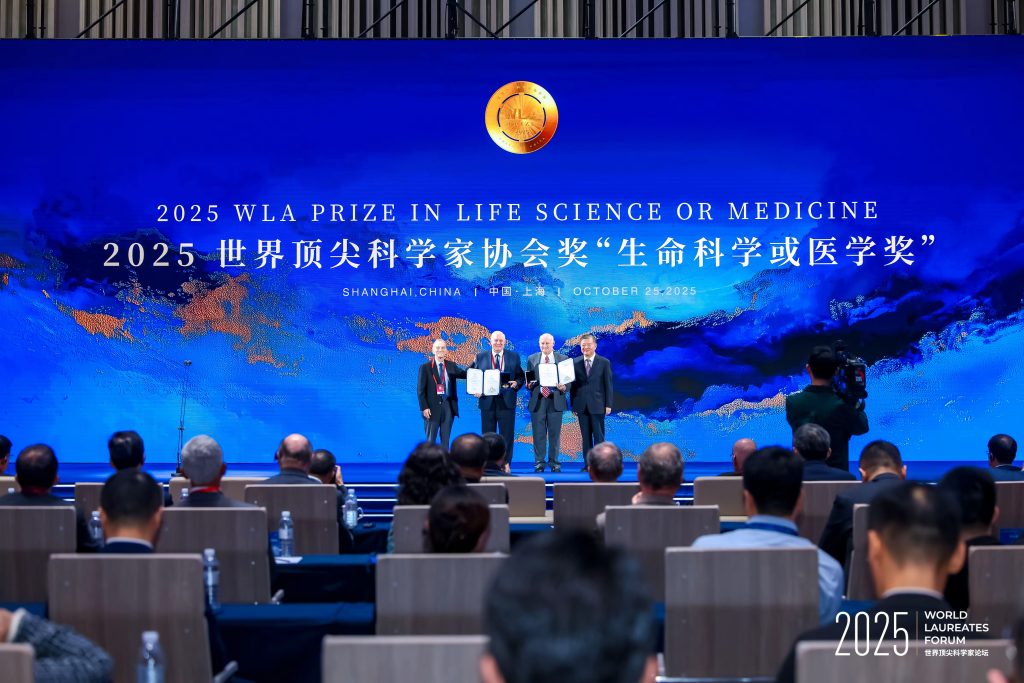
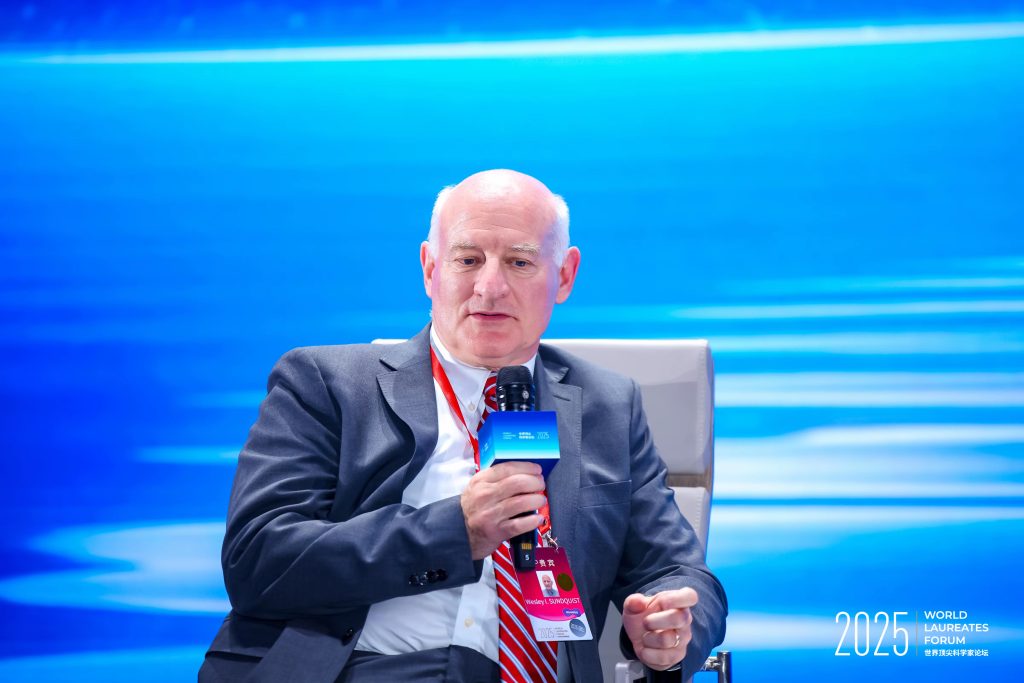
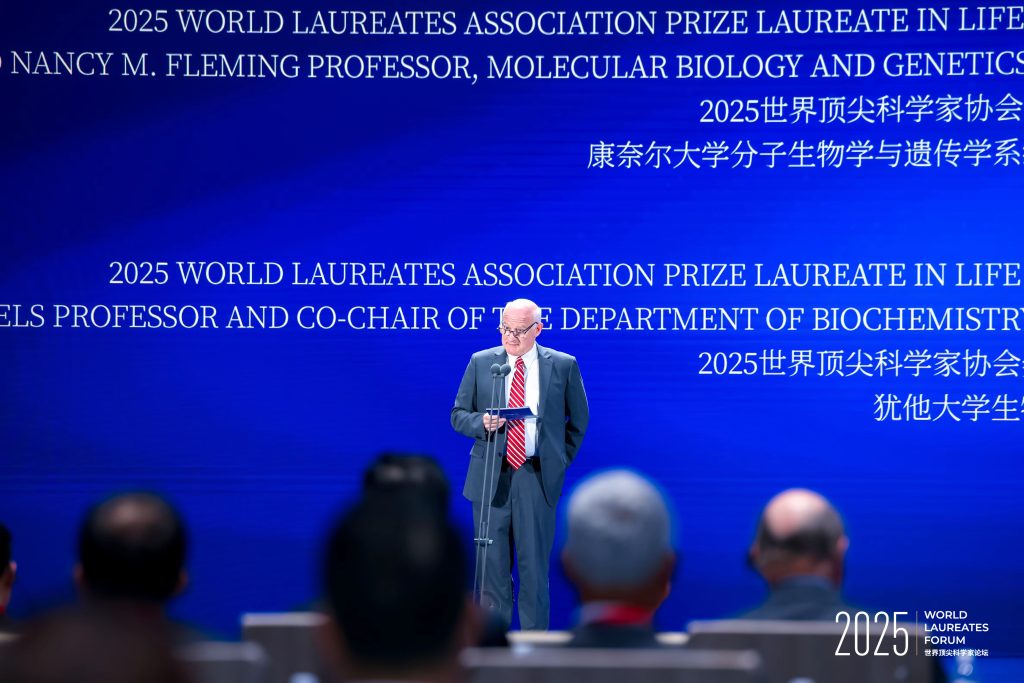
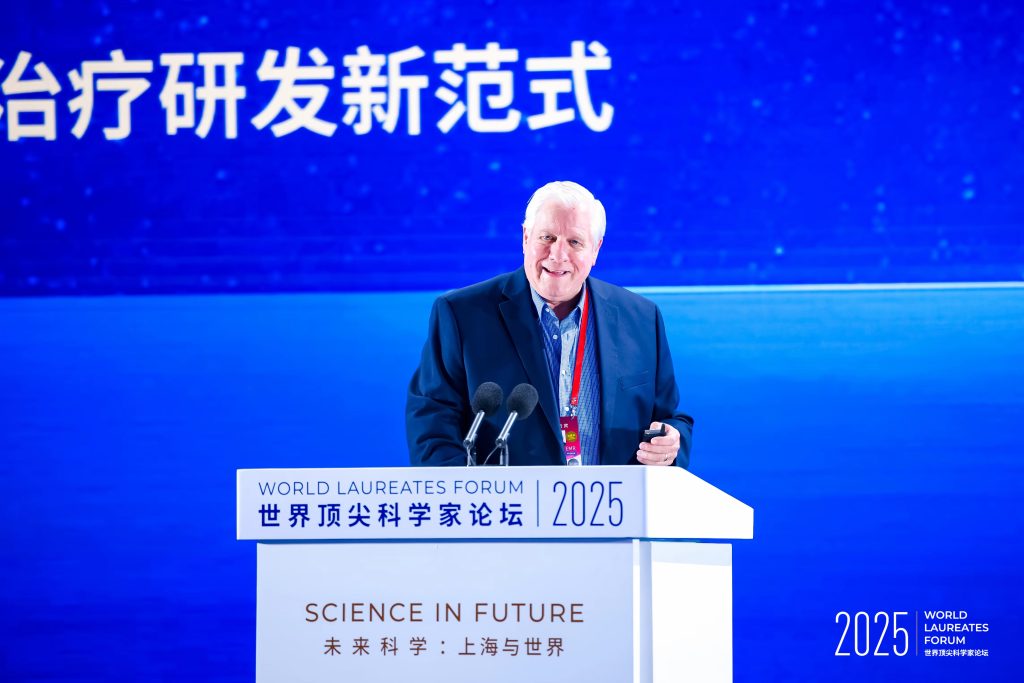
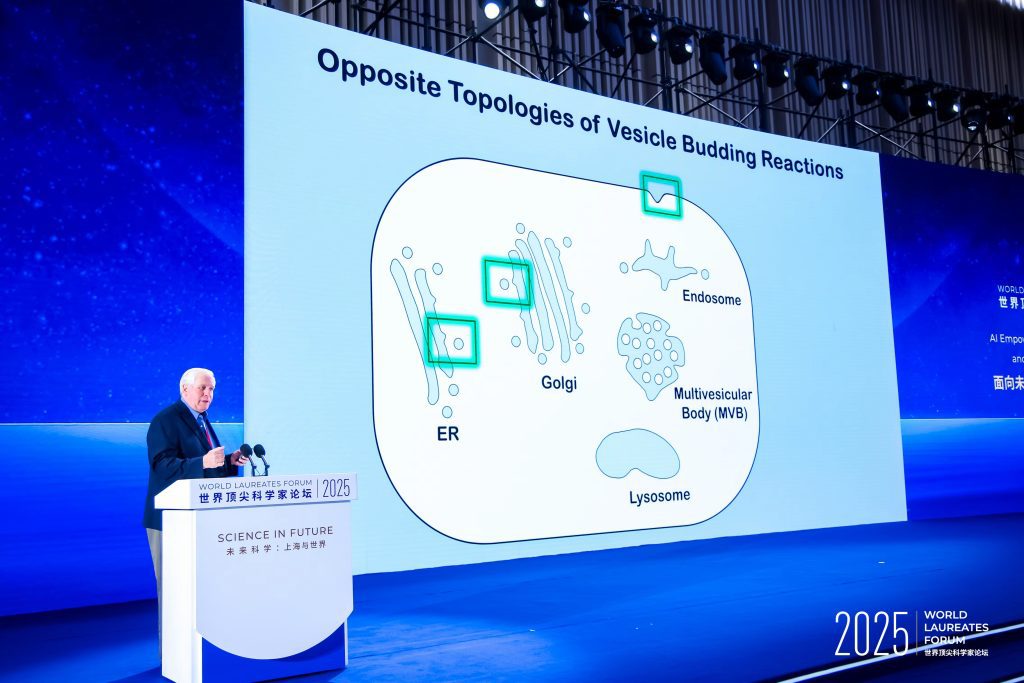
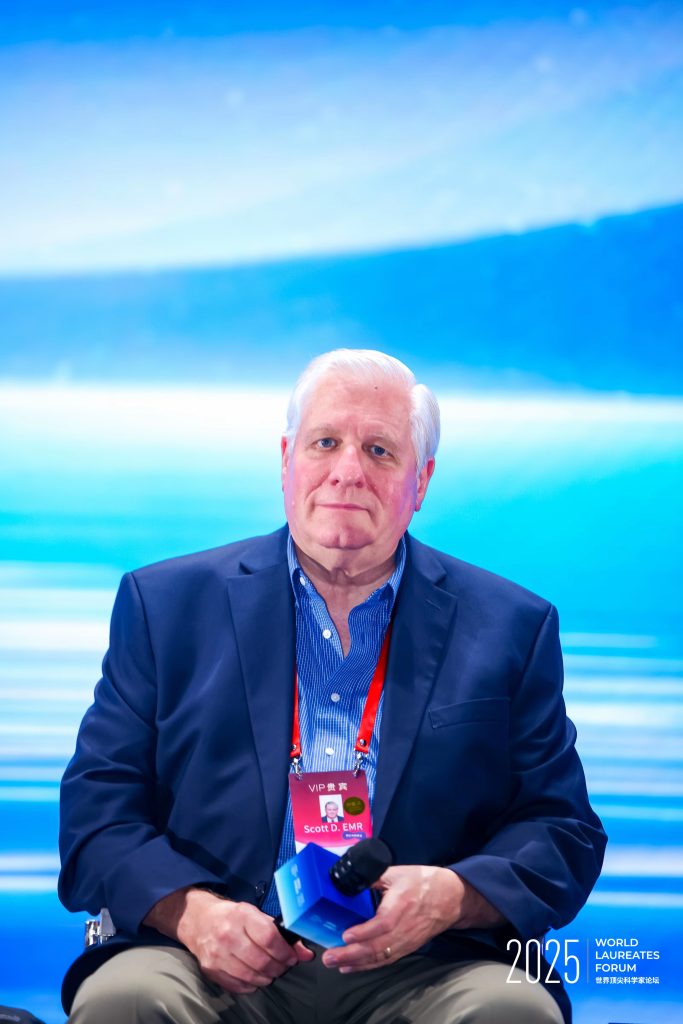
Speakers also included: Scott D. EMR, Professor at Cornell University and Laureate of the 2025 WLA Prize in Life Science or Medicine; Jeffery FRIEDMAN, 2019 Wolf Prize Laureate, 2020 Breakthrough Prize Laureate, and Member of the WLA Prize Selection Committee for Life Science or Medicine; Professor HONG Liang of Shanghai Jiao Tong University; Wesley I. SUNDQUIST, 2025 WLA Prize Laureate in Life Science or Medicine and Professor at the University of Utah; Professor WU Peng of The Scripps Research Institute; Professor ZHANG Kang, Dean of the Institute of Eye Health and Disease at Wenzhou Medical University.


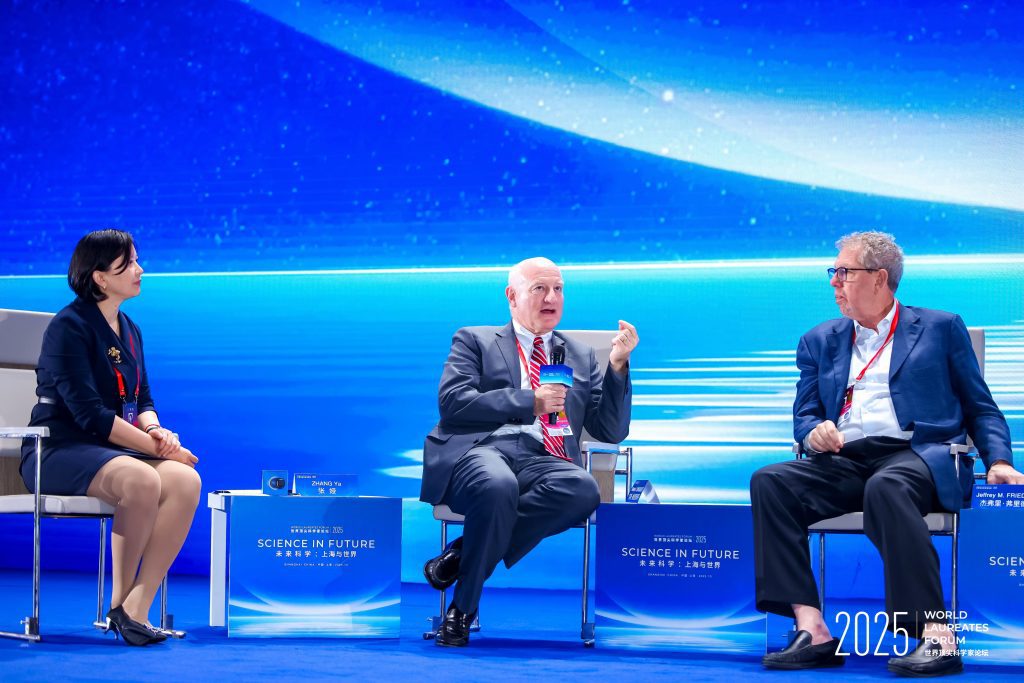
In the Keynote Roundtable Forum, Academician E Weinan, Professors FRIEDMAN, SUNDQUIST, EMR, and ZHANG Kang engaged in an in-depth discussion centered on how AI can genuinely advance future drug discovery and therapeutic development.


They explored themes such as, the credibility of scientific data, the relationship between mechanistic understanding and AI predictions, and the challenges of scaling AI-driven systems.


The roundtable was moderated by Professor ZHANG Ya, Deputy Dean of the SJTU School of Artificial Intelligence and Executive Deputy Director of the Institute of Medical Artificial Intelligence. The session featured dynamic intellectual exchanges and incisive insights, making it a true feast of high-level academic debate.


03 Illuminating the Power of Youth


In the evening, the Innovation Case Sharing Session was co-hosted by Professor Michael LEVITT, 2013 Nobel Laureate in Chemistry and Professor at Stanford University; and Professor MA Jianpeng, Director of the Institute for Multi-Scale Research of Complex Systems at Fudan University, Leading Scientist of the Shanghai Artificial Intelligence Laboratory, and Founder of ABOPharma.


Six young scientists and medical experts presented outstanding innovations on the theme “AI-Enabled Teams and Projects in Drug and Therapeutics Development.”


After the presentations, Professor LEVITT delivered concluding remarks, highly praising the creativity and practical significance of each case. He also shared insights on the broad prospects and future development directions of AI applications in medicine.

This session continued the World Laureates Forum’s longstanding tradition of valuing young scientists, offering them a rare opportunity to engage in direct dialogue with global scientific leaders.


As a co-organizer of the conference, the Shanghai Lingang Science and Technology Innovation Foundation leveraged its strengths to infuse the event with distinctive Lingang characteristics.

Anchored in the strategic vision of the Lingang Science and Innovation City, the conference drew deeply on the outstanding academic resources of Shanghai Jiao Tong University to build a world-class platform connecting top scientists, medical experts, and innovation leaders. The intellectual collision during the event sparked numerous cross-disciplinary collaboration prospects.


Through the glass façade of the Lingang Center, the light of science continues to illuminate the road to the future, just as Professor SHARPLESS remarked,
“The world we strive for is one in which everyone has access to healthcare.”


Source: Shanghai Jiao Tong University

2025 World Laureates Forum Material Science Conference Opens in Shanghai: Global Scientists Explore New Frontiers in Catalysis, Energy, and Materials Science

:2025-11-11


On October 25, 2025, the 2025 World Laureates Forum (WLF) Material Science Conference was successfully held at the Lingang Center in Shanghai, jointly organized by the Shanghai Lingang Science and Technology Innovation Development Foundation and East China Normal University (ECNU). Centering on the theme “The Future of Catalysis, Energy, and Materials Science,” the conference built a high-level platform for in-depth dialogue among world-leading scientists and industry leaders. It not only focused on the “From 0 to 1” breakthroughs at the scientific frontier, but also aimed to bridge the “last mile” between innovation and real-world application, resonating with the industrial development pulse of the Lingang Special Area.


As one of the co-organizers, the Lingang Science and Technology Innovation Development Foundation remains committed to bringing the world’s most cutting-edge scientific ideas to Lingang, enabling active innovation resources to converge and collide here.


Professor SHI Guoyue, Standing Committee Member of the Party Committee and Vice President of East China Normal University hosted the opening ceremony.


Professor HE Mingyuan, Academician of the Chinese Academy of Sciences (CAS), Lifetime Professor at ECNU, and Co-Chair of the Conference, delivered the opening speech. He elaborated on the strategic significance of material science as the foundation of natural sciences and modern technology, emphasizing that “greening” and interdisciplinary integration will be the core directions of future development.
He also encouraged young scientists to embrace exploration and shoulder the mission of scientific and technological innovation in this new era.


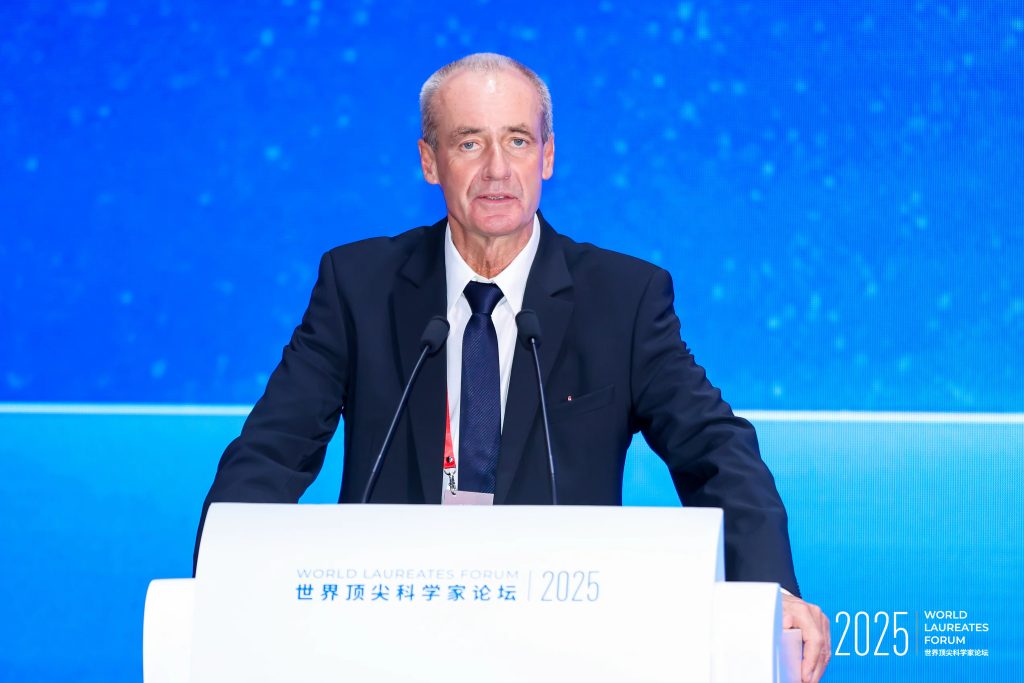
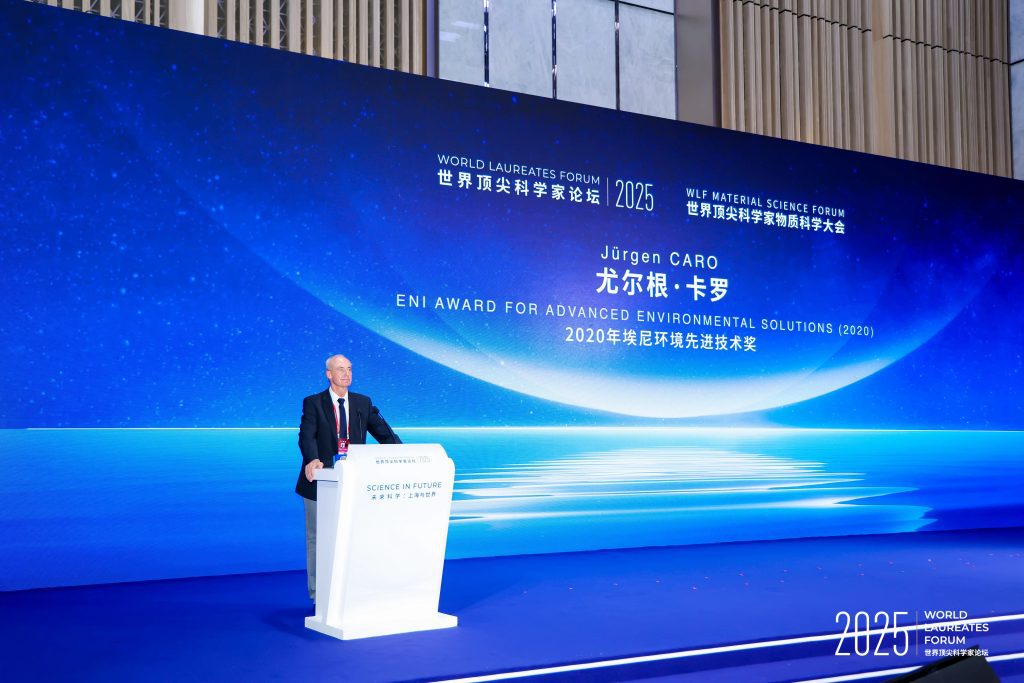
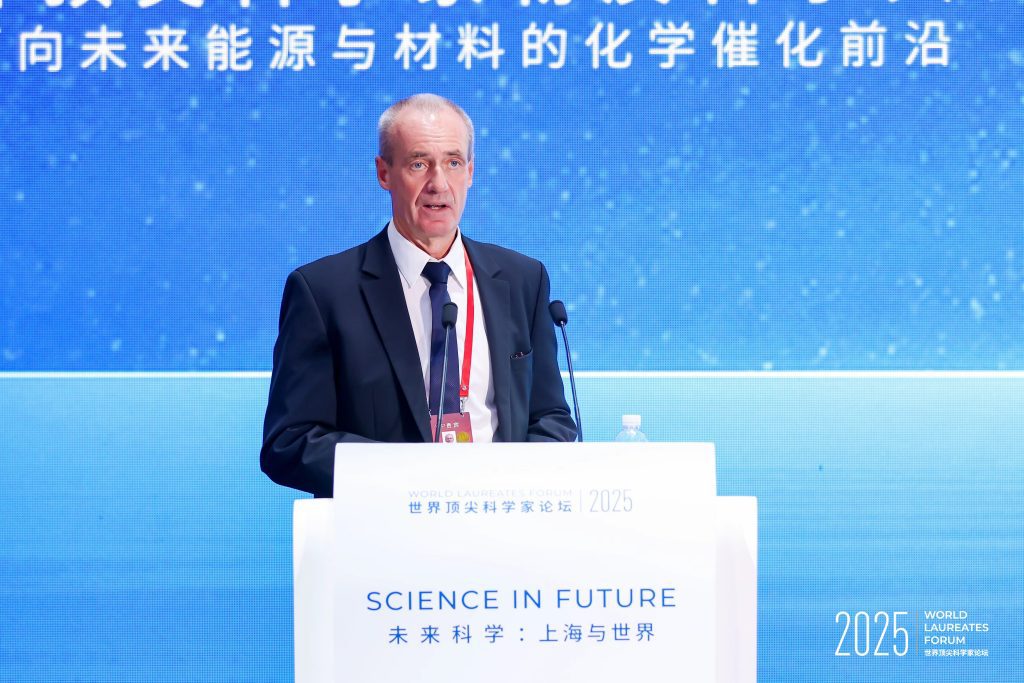
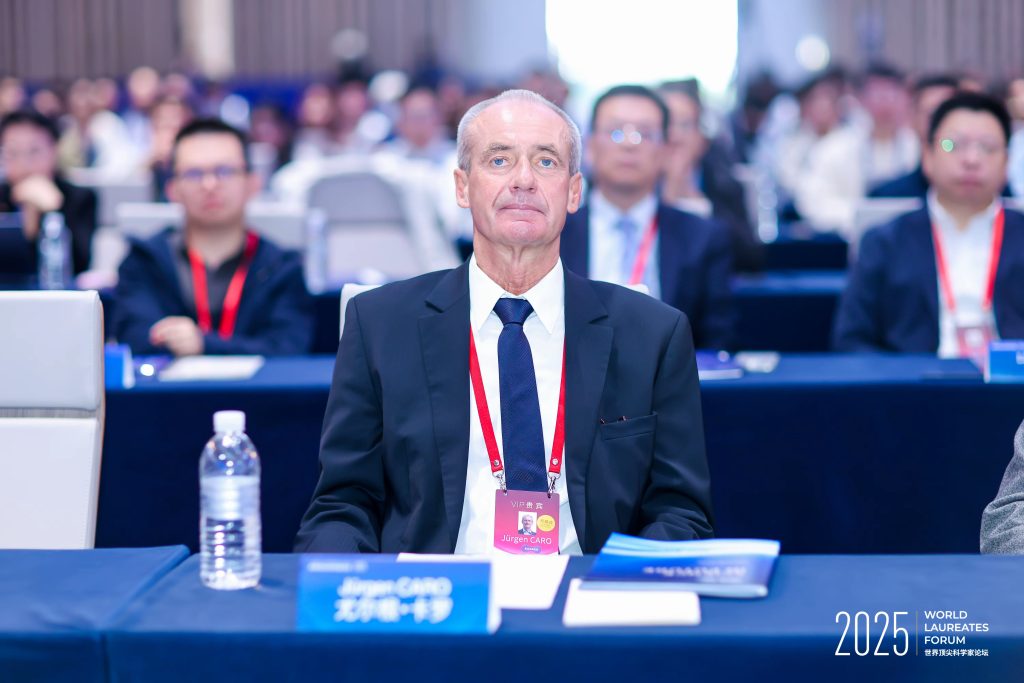
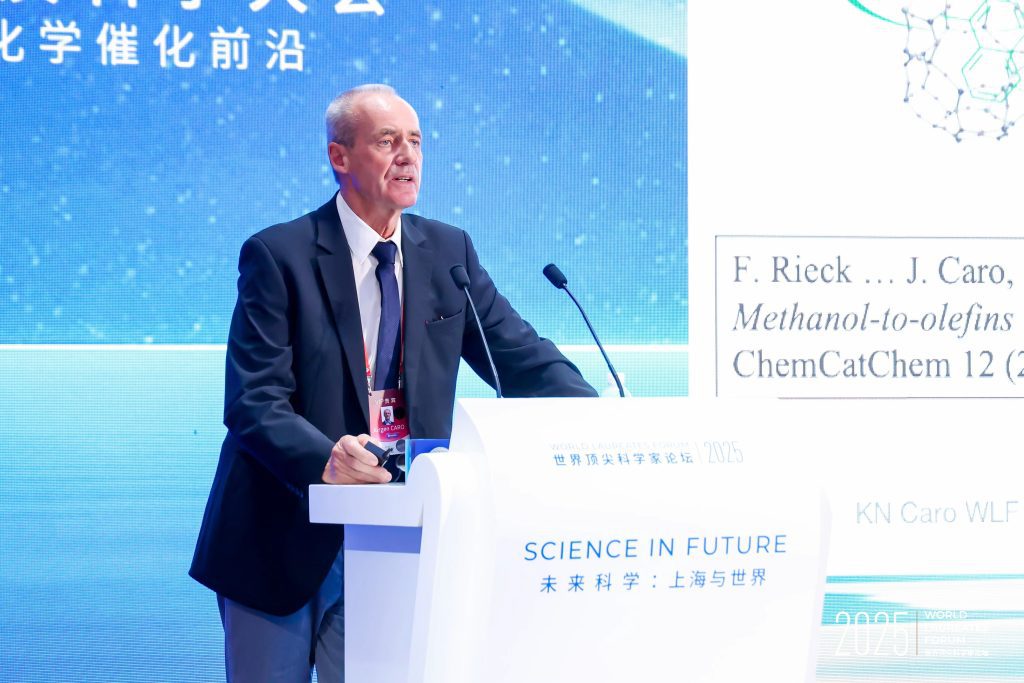
Professor Jürgen CARO, Co-Chair of the Material Science Conference, Member of the German Academy of Sciences, and 2020 Eni Award Laureate for Advanced Environmental Solutions, stressed in his speech that enabling scientific knowledge to move beyond laboratories and serve industrial practice is a driving force for transitioning societies toward ecological sustainability.


01 Focusing on “Green Carbon Science”: Tracing Innovative Pathways


Caption: Academician HAN Buxing, CAS, chaired the keynote session.


During the keynote presentations, multiple scientists shared their latest research achievements


Professor LI Can, Academician of the CAS, highlighted China’s leading position in pursuing the carbon peaking and carbon neutrality goals through clean energy technologies such as wind, solar, and green electricity. He described how these renewable resources are used to produce green hydrogen, which can then react with carbon dioxide to synthesize liquid solar methanol fuels, placing China at the forefront of global innovation in this field.


Professor Jürgen CARO, Member of the German Academy of Sciences, presented on nanoporous materials with hierarchical pore structures, illustrating their unique advantages in gas transport and separation. He compared their working mechanism to that of human lungs, enabling precise gas intake, exchange, and exhaust.


Professor CHEN Zhongwei, Fellow of the Royal Society of Canada, pointed out that the core challenges for fuel cell development lie in cost, durability, and power density. He called for closer integration of artificial intelligence with battery management systems to drive breakthroughs from both materials innovation and system optimization.


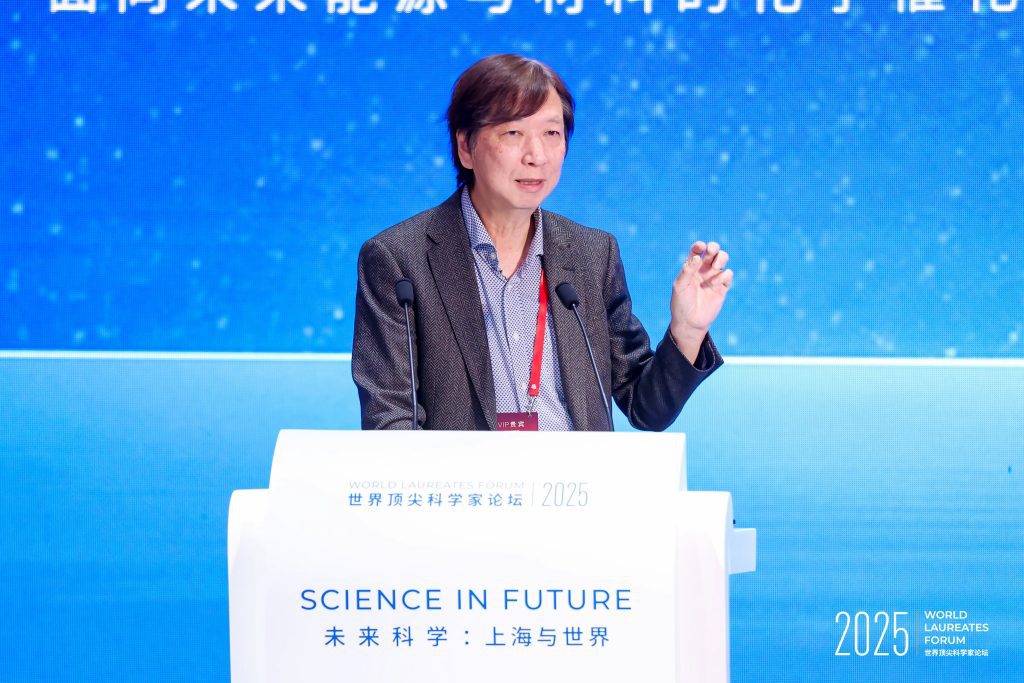
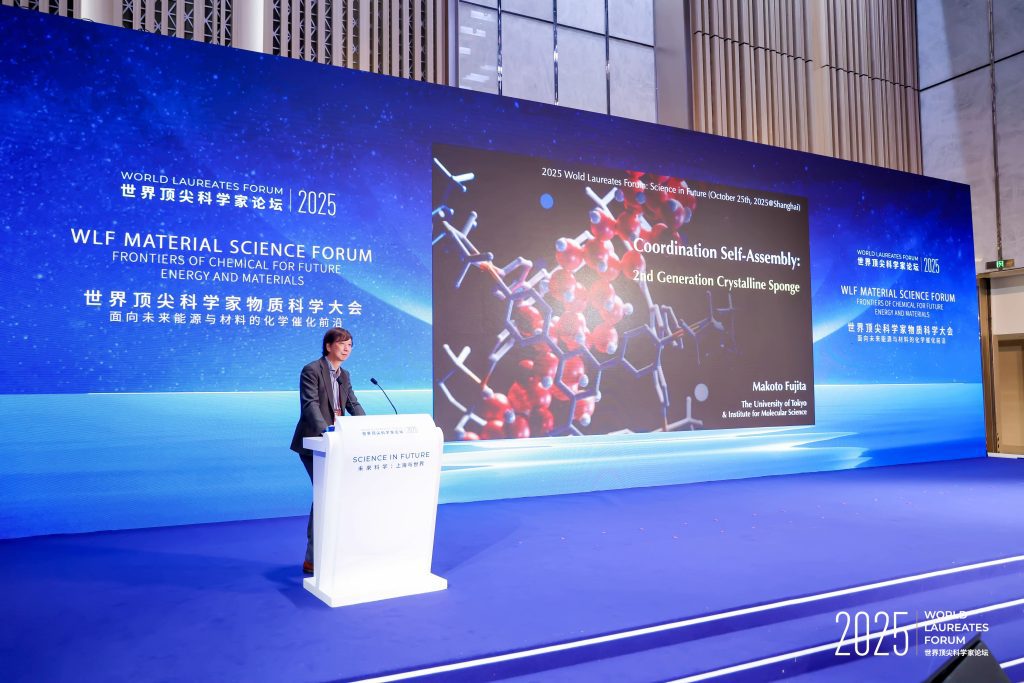
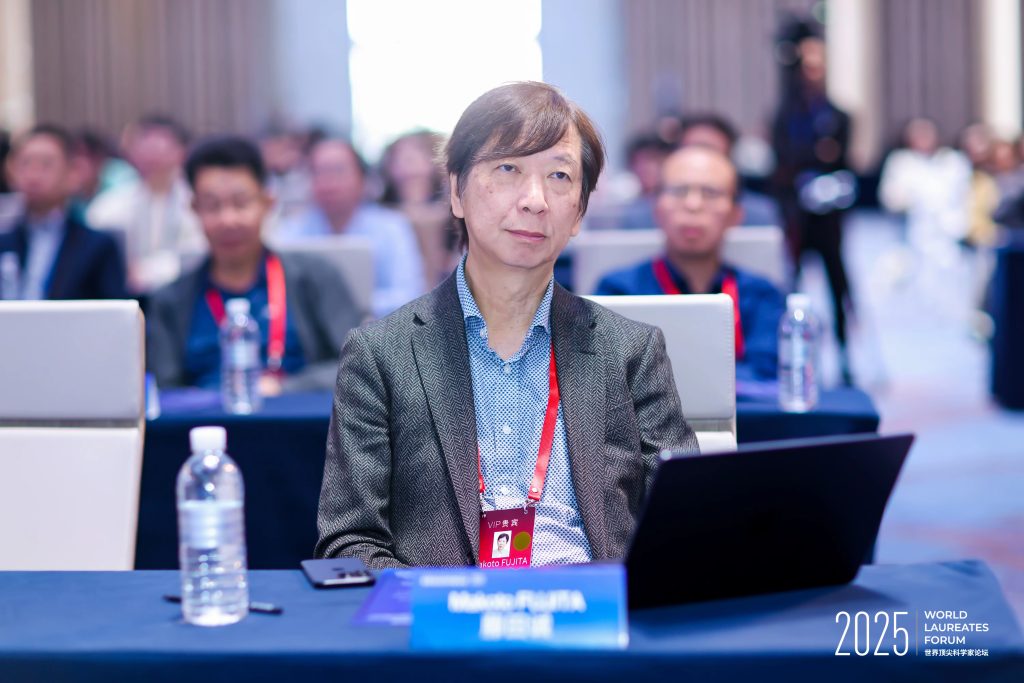
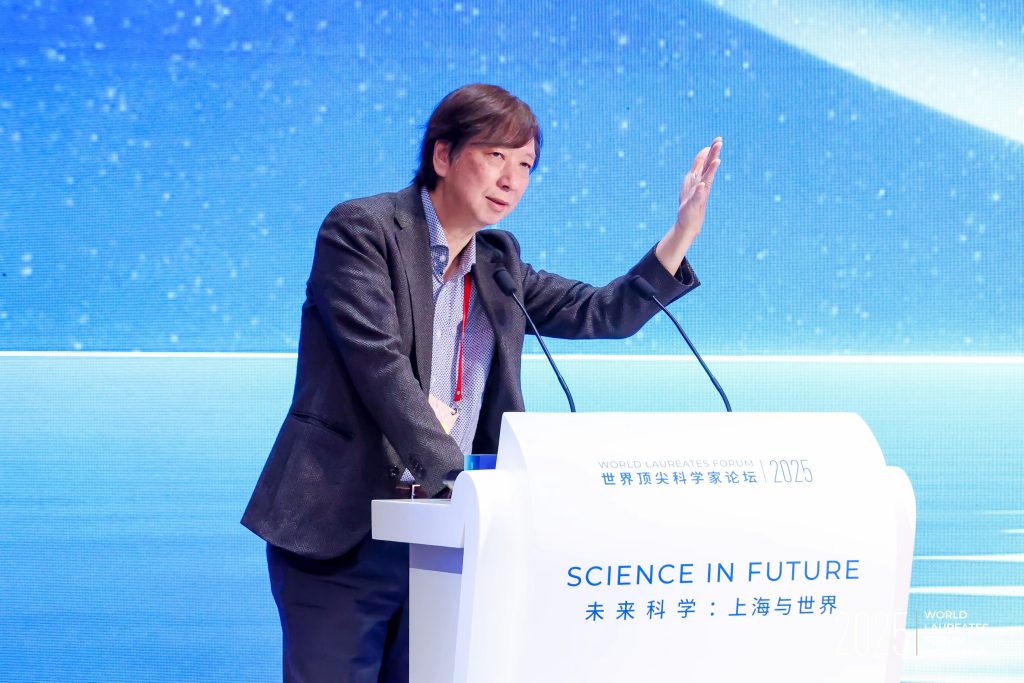
Professor Makoto FUJITA, 2018 Wolf Prize Laureate, showcased how metal coordination-driven self-assembly can be used to construct cage-like coordination structures with defined cavities. His innovative “crystal sponge” technique enables structural analysis of non-crystalline molecules, opening new avenues for natural product identification and pharmaceutical discovery.


Professor SUN Licheng, CAS Academician, discussed that by 2025, China’s total wind and photovoltaic power generation capacity had reached 1.7 billion kilowatts. He proposed that developing cation exchange membrane electrolysis and related technologies can efficiently convert intermittent renewable power into storable chemical energy, providing a strong driving force for building a sustainable society.


Professor MA Dawei, CAS Academician, emphasized that metal-catalyzed coupling reactions offer new pathways for developing functional molecules, significantly accelerating innovation in pharmaceuticals, agrochemicals, and advanced materials.


These breakthroughs in artificial photosynthesis, organic synthesis, and electrocatalytic energy storage together outlined a promising vision of a green transformation driven by material science.


02 Tackling Industrialization Challenges and Building an Innovation Ecosystem


One of the highlights of the conference was a roundtable discussion chaired by Academician HAN Buxing.


Panelists included Academicians LI Can, YANG Weimin, SUN Licheng, and CHEN Zhongwei, as well as LI Mingfeng, President of the SINOPEC Research Institute of Petroleum Processing. They engaged in deep discussions on three core topics: “The Leading Role of Catalysis Science in Achieving the Dual-Carbon Goals,” “Reshaping Catalysis Research through Artificial Intelligence,” and “Bridging the Last Mile of Catalysis Industrialization.”


Experts agreed that fundamental catalysis research remains the core driving force behind transformation in energy and materials science. They noted that artificial intelligence will accelerate the shift from empirical trial-and-error to intelligent design, while overcoming industrialization bottlenecks requires an efficient collaborative ecosystem integrating industry, academia, and research.


In the subsequent case study session chaired by LI Mingfeng, President of the SINOPEC Research Institute of Petroleum Processing Co., Ltd., experts including LIN Wei, Vice President of SINOPEC Research Institute of Petroleum Processing Co., Ltd.; LI Yingcheng, Vice President of SINOPEC (Shanghai) Research Institute of Petrochemical Technology Co., Ltd.; WU Peng, Professor at ECNU; SHEN Wenjie, Associate Dean of the School of Physical Science and Technology, ShanghaiTech University; and ZHONG Liangshu, Director of the Center for Low-Carbon Conversion Science and Engineering, Shanghai Advanced Research Institute, CAS, shared their cutting-edge practices and innovative solutions in advanced energy, energy storage materials, and CCUS (Carbon Capture, Utilization, and Storage).


Although the 2025 WLF Material Science Conference has concluded, the sparks of scientific thought and momentum for innovation it ignited will continue to resonate in Lingang. The Shanghai Lingang Science and Technology Innovation Development Foundation will continue to play the role of a connector, bringing together the world’s top intellectual resources, catalyzing more “from lab to market” success stories, and contributing to the vision of transforming Shanghai Lingang into a globally recognized hub for scientific innovation and industrial advancement.


Source: East China Normal University


Waves of Thought on the Shores of Dishui Lake: Leading Scientists and Young Scholars Explore “Trustworthiness” in the Intelligent Era

:2025-11-06

By the scenic Dishui Lake, a profound dialogue on the future of science unfolded as scheduled. On October 23, 2025, as a prelude to the 2025 World Laureates Forum (WLF), the Academic Symposium on Trustworthy Software Intelligence Methods was successfully held at the School of Software Engineering (Dishui Lake International Software Institute), East China Normal University (ECNU). Jointly organized by the Shanghai Lingang Science and Technology Innovation Development Foundation and ECNU, the symposium, under the theme “Science in Future: Shanghai and the World”, focused on the intersection of artificial intelligence and software engineering, bringing together world-leading minds to explore how to build trustworthiness in the age of intelligent science.


This was not only an academic symposium, but also a deep interdisciplinary dialogue bridging disciplines and connecting today’s innovators with tomorrow’s scientific leaders.


A Visionary Leader for an Interdisciplinary Dialogue

The event welcomed a distinguished scientific pioneer — Professor Michael LEVITT, 2013 Nobel Laureate in Chemistry, Vice President of the World Laureates Association (WLA), and Professor at Stanford University.


As one of the earliest scientists to apply computer simulation to chemical research, Professor LEVITT brought unique depth and perspective to the dialogue. From molecular dynamics simulation to intelligent software systems, his groundbreaking multiscale modeling methods not only propelled chemistry into the era of computational research but also offered profound insights into understanding complex systems. Professor LEVITT’s scientific journey itself stands as a vivid testimony to the evolution of modern scientific paradigms.


Also attending were Associate Professor Amir GOHARSHADY from the Department of Computer Science, University of Oxford, and Professor JIANG Xuefeng from the College of Chemistry and Molecular Engineering, ECNU. In an age when artificial intelligence is reshaping research paradigms, these three scholars jointly led a thought-provoking journey across disciplinary frontiers.


Dialogue on “Scientific Paradigms and Responsibility Boundaries in the Era of Trustworthy Intelligence”


The three scientists engaged in an in-depth discussion with attending students around the theme “Scientific Paradigms and Responsibility Boundaries in the Era of Trustworthy Intelligence.” The dialogue was conducted in an open, dynamic atmosphere, sparking vibrant exchanges and insights. Students raised a series of thought-provoking questions from their own research experiences: How can we critically assess the reliability of AI-generated content? In safety-critical domains such as autonomous driving, how should innovation be balanced with system trustworthiness? And how can we construct regulatory frameworks that ensure accountability while respecting privacy? The experts responded from their respective fields: Professor LEVITT emphasized, through examples from chemical experimentation, the indispensable role of empirical validation for AI predictions. Professor JIANG Xuefeng proposed a pragmatic approach in which AI undertakes repetitive work while researchers focus on innovative exploration. Associate Professor GOHARSHADY illustrated the importance of verifiable algorithms in critical systems by drawing parallels between smart contracts and railway control systems.


In the academic presentation session, Amir GOHARSHADY, JIANG Xuefeng, and WANG Peixin, a young researcher from the School of Software Engineering (Dishui Lake International Software Institute), each shared insights from their respective fields, offering multi-dimensional perspectives from theoretical frontiers to practical innovation.


Amir GOHARSHADY presented “Scalable Program Analysis via Decompositions of Control-Flow Graphs.” He analyzed the verification challenges posed by the massive scale and game-theoretic complexity of modern software systems and proposed innovative solutions based on parameterized complexity theory and tree decomposition methods.


JIANG Xuefeng delivered a report titled “AI for Chemistry.” He pointed out that artificial intelligence is profoundly reshaping the research paradigm of chemistry. Using examples of AI-accelerated molecular design and reaction prediction, he illustrated how AI-driven research paradigms enhance reliability, automation, and intelligence in R&D processes across various scientific domains.


WANG Peixin shared his work titled “Structural Abstraction and Refinement for Probabilistic Programs.” His research addresses the challenge of verifying the reliability of probabilistic programs, proposing a novel structural abstraction–refinement approach that provides new methodologies for analyzing software trustworthiness in areas such as differential privacy and randomized algorithms.


As one of the satellite forums of the 2025 World Laureates Forum, this jointly organized academic symposium successfully established a high-level interdisciplinary platform for scientific exchange. Since the founding of the World Laureates Forum in Shanghai seven years ago, Lingang and WLA have resonated in unison. Every autumn, the world’s “brightest minds” gather by Dishui Lake to focus on global scientific frontiers, fostering integration and innovation while contributing wisdom and strength to building an open and trustworthy scientific future.


Source: School of Software Engineering, East China Normal University

Rising from Yangshan, Converging in Lingang: 2025 World Laureates Forum Youth Scientists Conference Charts a New Blueprint for the Future of Science

:2025-11-04

On the afternoon of October 24, the 2025 World Laureates Forum (WLF) Youth Scientists Conference was held at the Lingang Center in Shanghai. Gathering the wisdom of global science and focusing on the power of young researchers, the conference, held under the theme “Pioneers of Future Science: Innovation and Excellence”, successfully built a world-class dialogue platform that is high-level, international, and interdisciplinary. Nearly 30 outstanding young scientists from China and abroad joined laureates of the Nobel Prize, Fields Medal, and other top scientific awards to collectively envision a vibrant scientific future.


The successful convening of the conference vividly demonstrates the strengthened core functions of Lingang’s innovation ecosystem and marks a solid step forward in realizing the commitment to “Empower the Next Generation of Scientific Leaders.”


Messages from the Laureates


Michael LEVITT, Co-Chair of the Youth Scientists Conference


In his opening address, Professor Michael LEVITT, 2013 Nobel Laureate in Chemistry and Professor of Structural Biology at Stanford University, emphasized the importance of trusting the intellectual vitality of young scientists and granting them autonomy and responsibility. He called on research institutions and funding systems to strengthen support for early-career researchers to enable more groundbreaking scientific achievements.

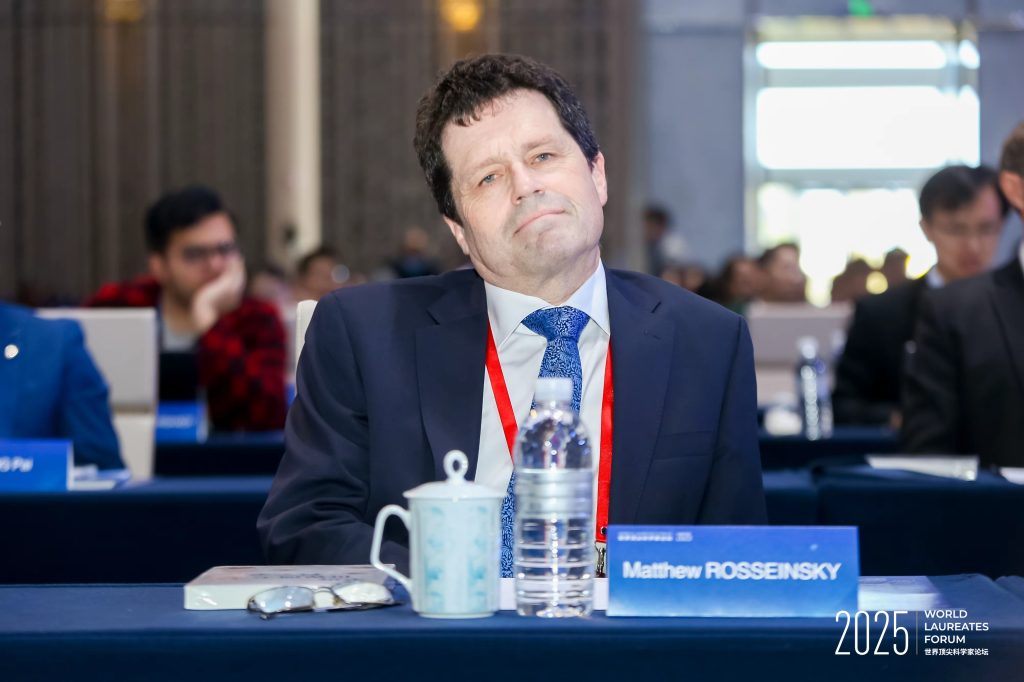
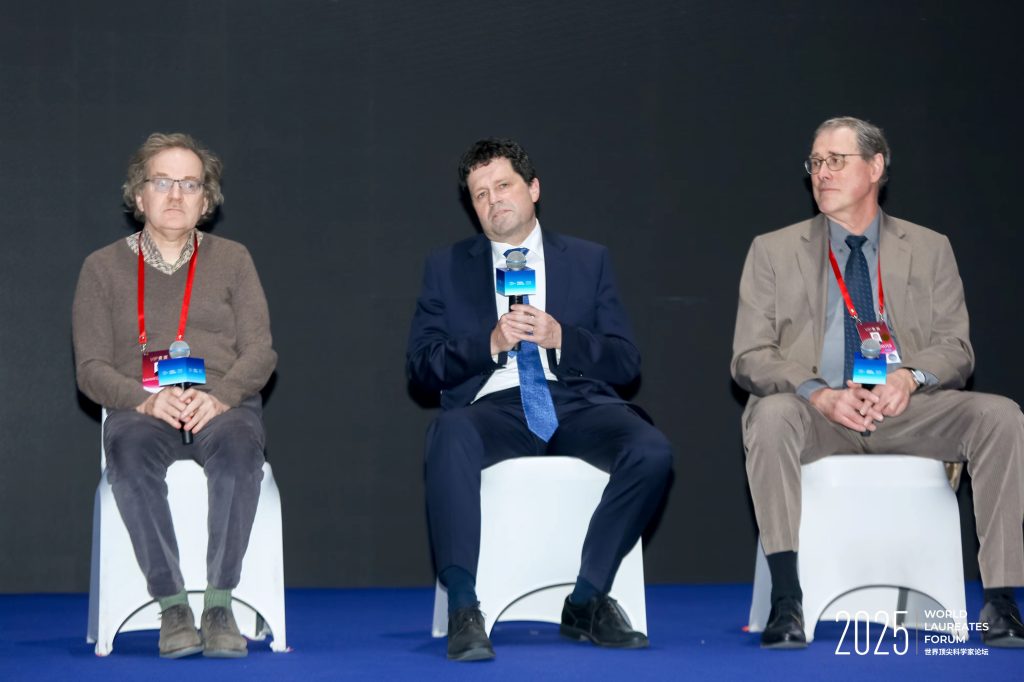
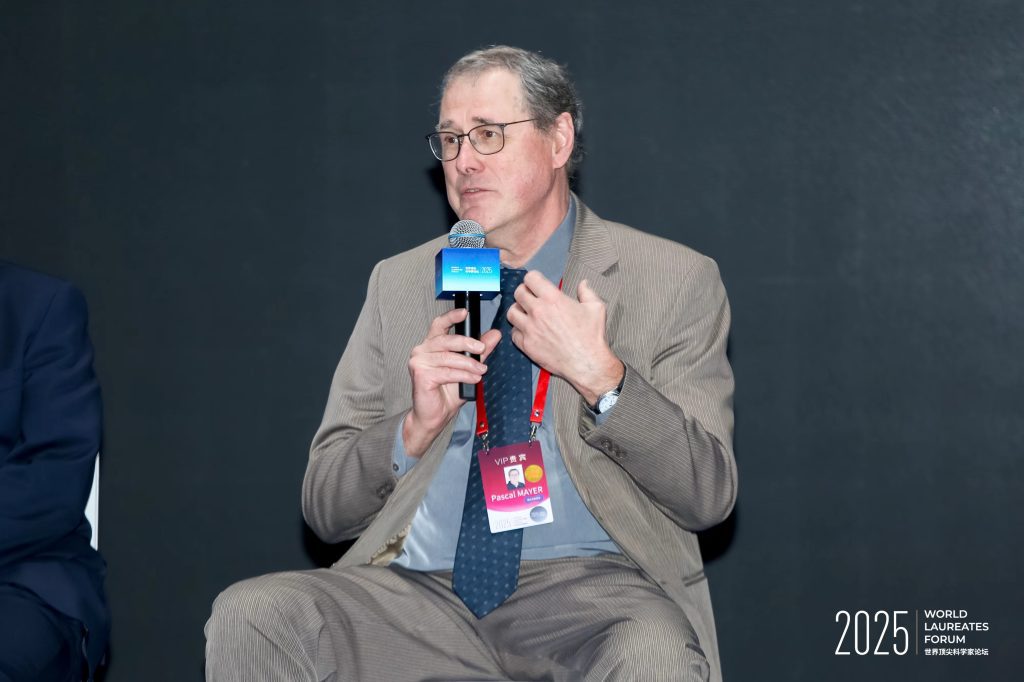
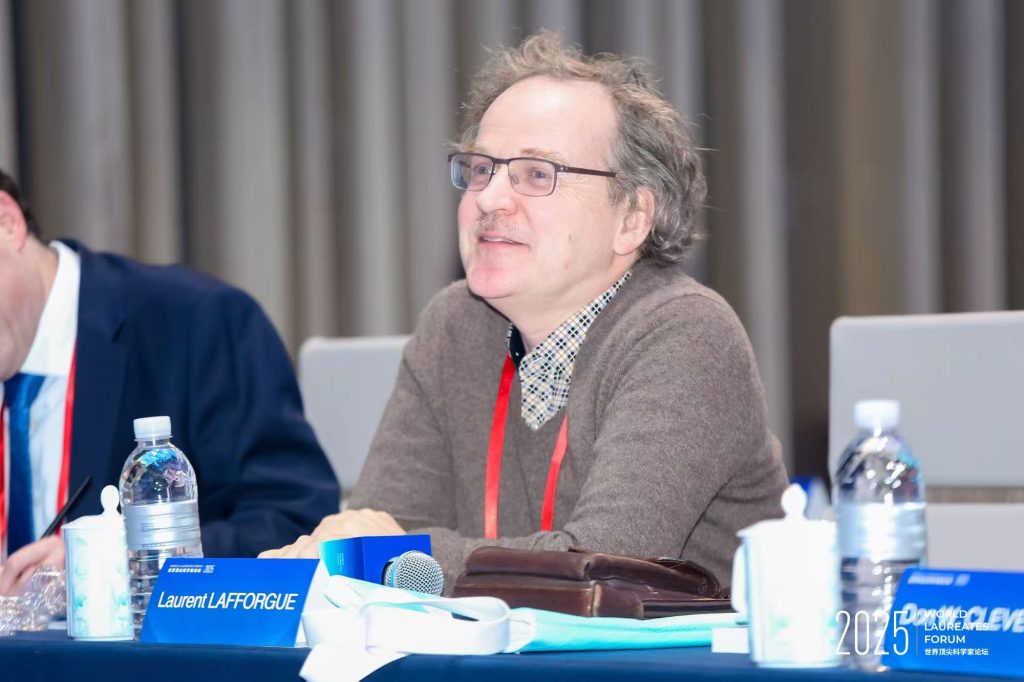
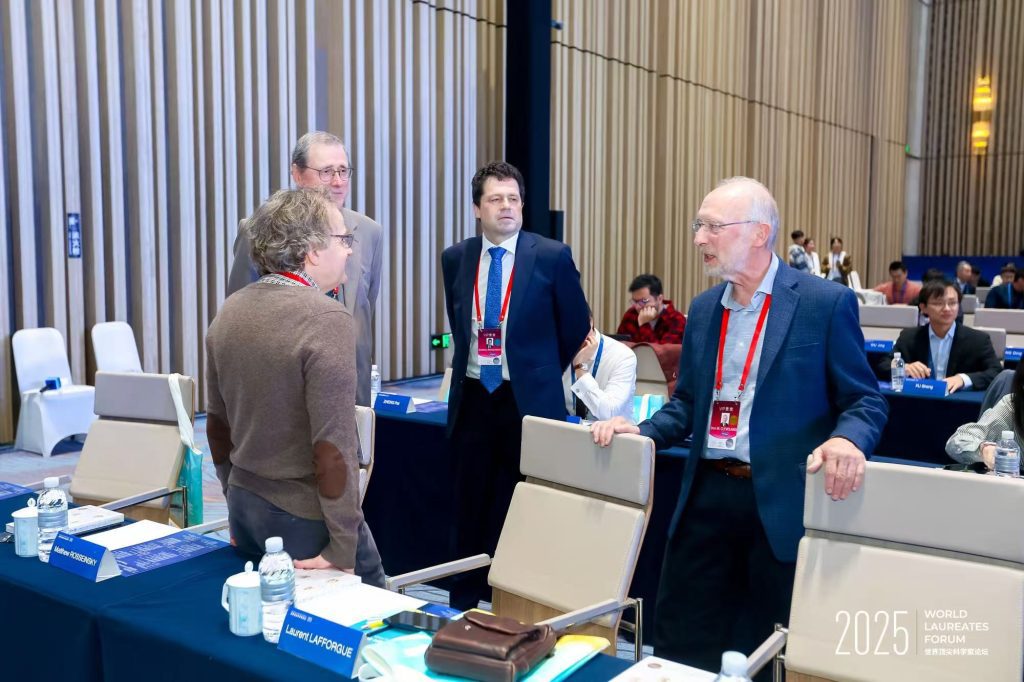
Several world-leading scientists attended the conference in person to engage in dialogue with young scholars, including K. Barry SHARPLESS (Nobel Laureate in Chemistry, 2001 & 2022), Laurent LAFFORGUE (Fields Medalist, 2002), Sir Shankar BALASUBRAMANIAN (Canada Gairdner International Award, 2024), Don W. CLEVELAND (Breakthrough Prize in Life Sciences, 2018), Pascal MAYER (Canada Gairdner International Award, 2024), Matthew ROSSEINSKY (Eni Award for Advanced Energy Frontiers, 2023), and Clifford P. BRANGWYNNE (Breakthrough Prize in Life Sciences, 2023). Their participation significantly elevated the conference’s academic caliber and international influence.


Innovative Formats Inspire Sparks of Thought

Three-Minute Flash Talks


Three-Minute Flash Talks


A highlight of the conference was the specially designed “Three-Minute Flash Talk” session, where young scientists took turns presenting concise overviews of their core ideas, key technologies, or disruptive innovations within a tight time limit. These presentations spanned cutting-edge topics across life sciences, materials and energy, and artificial intelligence, showcasing both the breadth and depth of frontier research.


Maxie Roessler from Imperial College London shared her research on using electron transfer reactions to design more effective catalysts. Sergio CARBAJO from UCLA and Stanford University introduced breakthroughs in attosecond physics for capturing electron and atomic dynamics, achieving femtosecond-level precision. Makoto SAITO from RIKEN, Japan, presented three newly developed genome editors and explored directions for next-generation therapeutic drug development. Yoonseob KIM from The Hong Kong University of Science and Technology showcased his team’s innovations in constructing high–energy-density batteries based on covalent organic frameworks (COFs).


SharpMind Roundtable: Passing the Torch of Science Across Generations


Young Minds Ask, Laureates Respond


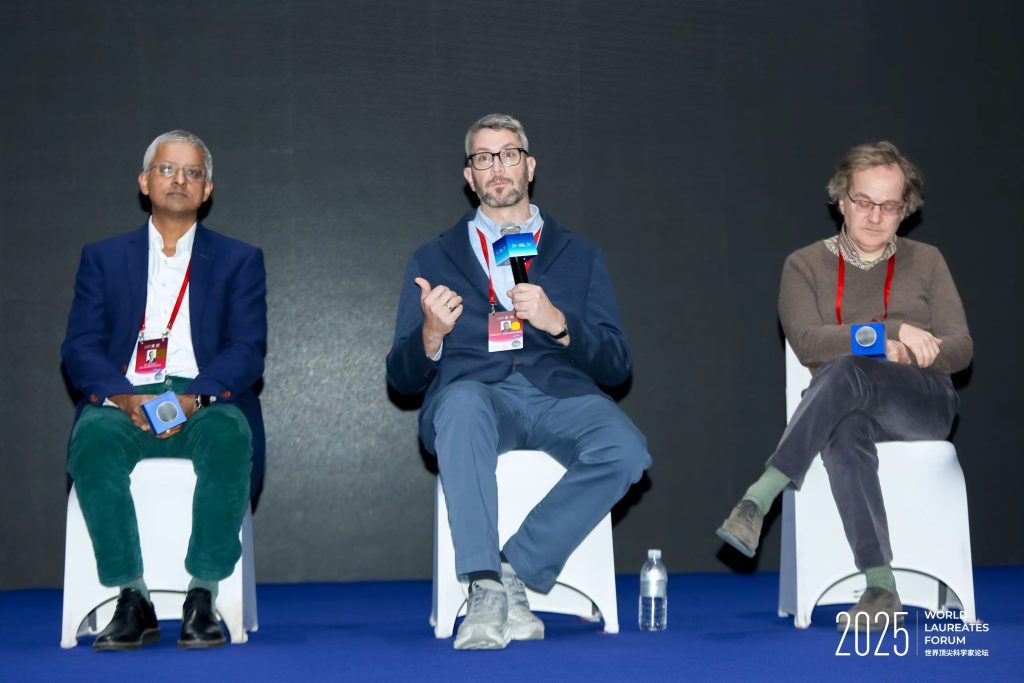
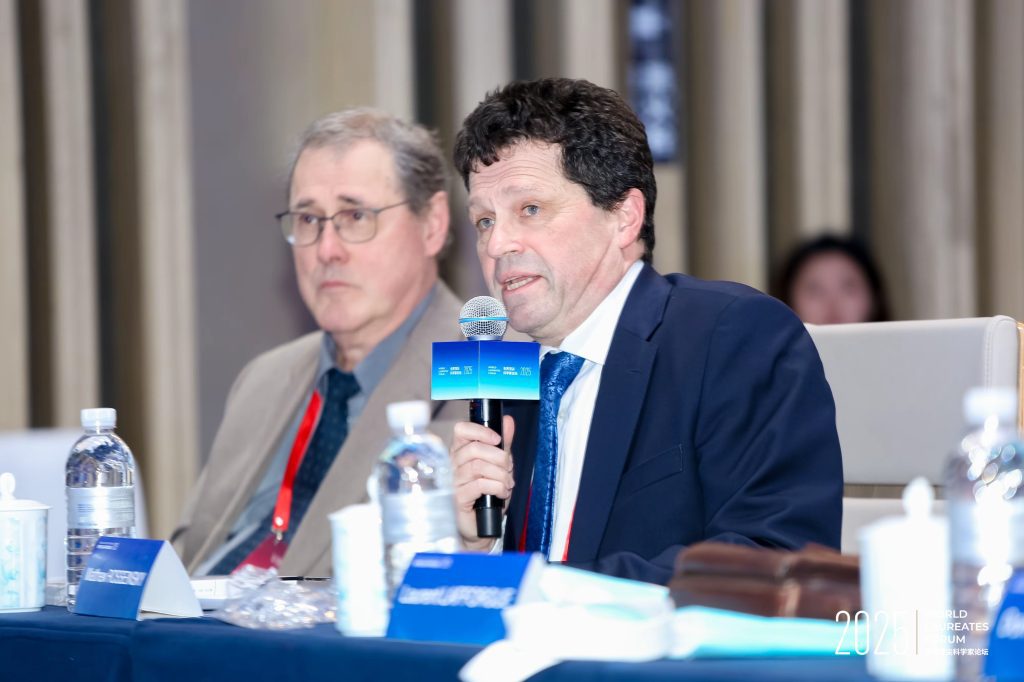
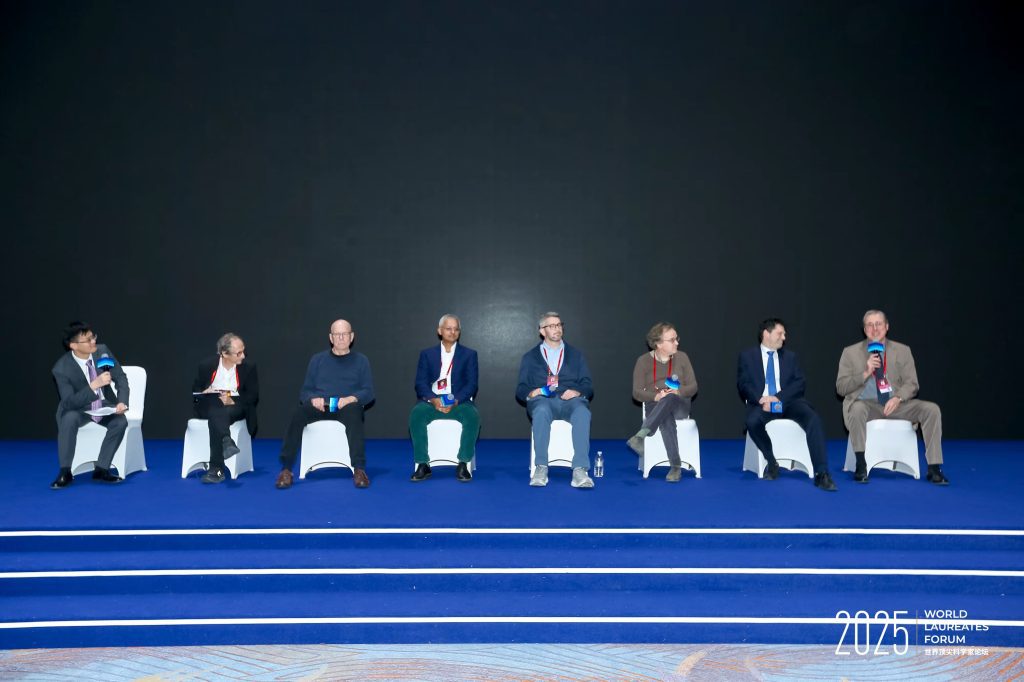
During the SharpMind Roundtable Dialogue, young scientists directly engaged with leading laureates in an open and thought-provoking exchange. The discussions spanned research challenges, international collaboration, support for basic research, and science communication.


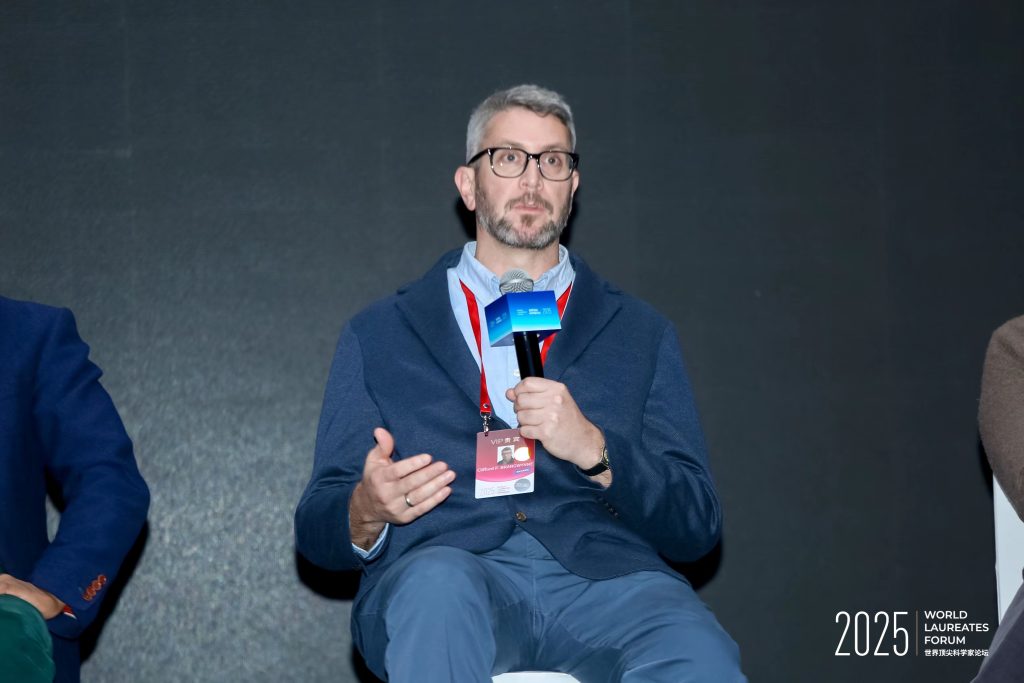
K. Barry Sharpless encouraged young scientists to be fearless in exploring unknown territories and to cultivate perseverance. Many laureates emphasized that young researchers should be given sufficient time and resources to pursue novel ideas, along with stronger support for high-risk, “uncharted” research areas. On science communication, Clifford P. Brangwynne stressed the importance of scientists engaging in public outreach and avoiding overly technical language to enhance public understanding. Pascal Mayer noted that the disruptive nature of science requires researchers to take an active role in shaping public perception.


The Lingang Special Area, the venue of the conference, is rapidly becoming a global source of scientific innovation and a hub for high-level talent. During the event, Fudan University’s Institute for Advanced Studies (IASM) outlined its development goals, positioning itself as a world-class institute for basic and interdisciplinary research. The IASM aims to provide top-tier research environments and long-term, stable support for outstanding young scientists, an ambition that aligns closely with Lingang’s strategy to foster an exceptional scientific ecosystem and cultivate world-class talent.


As an organizer of the 2025 World Laureates Forum, the Shanghai Lingang Science and Technology Innovation Development Foundation will continue to strengthen international networks for scientific cooperation, offering young scientists a broader stage and stronger support to scale new scientific heights. Together, Lingang and the world’s young pioneers will contribute wisdom and strength to addressing global challenges and expanding the boundaries of human knowledge.


Source: Fudan University


2025 World Laureates Forum

:2025-11-03

Focusing on Global Breakthroughs in Science Education — The 2025 World Laureates Science Education Forum and the 2nd “Generation to Generation” Women in Science Empowerment Forum Held in Shanghai

:2025-10-30

Shanghai, October 24, 2025 — With the theme “Generation to Generation · Go Beyond,” the 2025 World Laureates Science Education Forum and the 2nd Women in Science Empowerment Forum were grandly held at the Lingang Center in Shanghai.

Jointly organized by L’Oréal China, the Shanghai Lingang Science and Technology Innovation Development Foundation, and the East China Normal University Faculty of Education, and hosted by the World Laureates Forum Organizing Committee, the event gathered key leaders from government, academia, industry, and education to discuss breakthroughs in the internationalization of science education and the cultivation of young scientific talent.


Last year, the inaugural Women in Science Empowerment Forum released the “Women in Science Empowerment Initiative,” which called on society to become guides, providers, and advocates for science education. Over the past year, L’Oréal’s Women in Science Empowerment Program has responded actively, making tangible progress in international collaboration, talent development, and ecosystem building. At this year’s forum, L’Oréal China, together with the Lingang Special Area, officially inaugurated the Lingang Base for the Women in Science Empowerment Program and launched the Women in Science Empowerment Camp, offering young women a comprehensive learning and research experience, from participation and practice to showcasing achievements.


The Lingang Base of the Women in Science Empowerment Program Officially Opens, The Empowerment Camp officially launched in Lingang


Wang Jianzhang, Vice President of the Shanghai Women’s Federation, delivered the opening speech, “Empowering women’s development through science education and lighting up young women’s dreams of science is a concrete action in response to the country’s expectations for women’s advancement.
We are heartened to see growing efforts from all sectors of society and look forward to more enterprises, schools, and organizations joining together to foster a social environment of respect, innovation, inclusion, and harmony, nurturing fertile ground for women’s growth in science and technology.”

Wang Jianzhang, Vice President of the Shanghai Women’s Federation, delivering the opening speech


Cross-Sector Summit: Exploring the Future of Internationalized Science Education

This year’s forum once again brought together world-leading scientists, educators, science communicators, and corporate representatives to explore pathways for advancing science education toward internationalization and high-quality development.


Serge Haroche, Laureate of the 2012 Nobel Prize in Physics, shared insights on “Challenges Facing Science and Education Today” from a scientist’s perspective, “The world today faces major issues such as climate change and environmental protection challenges that only science can solve.” He also encouraged young women to pursue their dreams fearlessly, “When we talk about the Nobel Prize, we must prepare everyone for the possibility of achieving it.”

Serge Haroche, Laureate of the 2012 Nobel Prize in Physics giving his speech


As creators and practitioners of the “Chinese experience” in science education, Li Zhengtao, Director of the National Training Center for Secondary School Principals (Ministry of Education) and Director of the Institute for Basic Education Reform and Development at East China Normal University, presented on “Reflections on China’s Philosophy and Practice of Science Education.”

They proposed building a training system based on knowledge, practice, and collaboration among schools, families, and communities, and emphasized promoting equity in education through the dual mechanisms of ‘bringing in’ and ‘going global.’


Jiang Changjian, Associate Professor at the School of International Relations and Public Affairs of Fudan University, discussed motivating young women in science, “It is encouraging to see the growing number of female laureates in natural sciences from 2010 to 2025. Behind this, neither family background nor academic credentials are decisive factors. What truly matters is passion, perseverance, and dedication. Those who once dreamed of science can be the laureates of tomorrow!”

Jiang Changjian, Associate Professor at the School of International Relations and Public Affairs of Fudan University giving his speech


Regarding the role of enterprises in science education, Lan Zhenzhen, President of Public Affairs, L’Oréal North Asia and China, summarized the achievements of the Women in Science Empowerment Program over the past year. She noted that enterprises should not only act as supporters of science education but also as innovators and connectors, “We believe an initiative is not just a slogan, it should ignite a spark in young women’s scientific dreams. That spark is now spreading across the country, and we hope to bring China’s creativity and inspiration to the world, contributing new ideas to global women’s science education.”

Lan Zhenzhen, President of Public Affairs, L’Oréal North Asia and China summarizing the achievements


Roundtable Dialogue: Research Stories and Educational Insights from Diverse Perspectives


Moderated by Dr. Yuan Lanfeng, Deputy Director of the Department of Science Communication at the University of Science and Technology of China, the roundtable gathered scientists, educators, and young women in science for an open discussion themed “Generation to Generation · Go Beyond.”  They explored topics including international collaboration in science education, program development, and the growth of young women scientists.

Roundtable Dialogue


Scientists from home and abroad shared their experiences to illustrate the inheritance of the scientific spirit and discussed how to cultivate the next generation of scientific and technological talents.

Karolin Luger, Laureate of the 2023 WLA Prize in Life Science or Medicine shared, “The foundation of research is not knowing, but wanting to know. In my lab, I often encourage and even ‘reward’ mistakes, because true exploration often begins with learning from them.” Joan-Emma Shea, Distinguished Professor of Chemistry and Biochemistry at the University of California, Santa Barbara, encouraged students with her personal story, “It’s okay if you don’t enter a top university. What matters is recognizing your strengths and weaknesses. As mentors, we must see our students’ potential and support them at every step.”

Chen Wen, Deputy Director of the Institute of Science at the Innovation Academy for Microsatellites, Chinese Academy of Sciences, emphasized the importance of women’s strength in scientific research, “In aerospace engineering, women often bring unique ways of thinking and problem-solving. Many outstanding women are making irreplaceable contributions in key positions.”


Representatives from the education sector explained international experiences and local explorations in science education from a practical perspective. Zhang Wei, Executive Director of the UNESCO Associated Schools Network International Center and Director of the International Center for Out-of-School Education Studies at East China Normal University, noted, “The core of science education is not rote instruction, but nurturing children’s curiosity and space for trial and error. Even in under-resourced areas, low-cost approaches can allow more girls to access science and find their own independent paths. “Shen Yuting, Deputy Director of the Shanghai Science and Art Education Center, highlighted the city’s inclusive approach to science education, noting that the proportion of girls engaged in scientific innovation has grown significantly in the past five years, “Embrace science bravely, even if you don’t become a scientist, scientific literacy is invaluable for every girl.”
 

Weng Jiayu, a first-year student at Fudan University and participant in multiple sessions of the Women in Science Empowerment Program, shared her reflections, “Girls doing science are not breaking the glass ceiling, because we’ve already been standing in the sky. Like the Monkey King, we too can wield our own ‘golden staff’ and carve out our scientific journey.”


“Stars in Motion”: Inspiring More Girls Through Science Education

As a special satellite event of the forum, the “Stars in Motion” Women in Science Empowerment Camp debuted in Lingang. The camp focused on three goals: enhancing scientific knowledge, expanding scientific thinking, and promoting scientific spirit, and guided participants into the World Laureates Forum venue and the Innovation Academy for Microsatellites of the Chinese Academy of Sciences, offering over twenty young women an immersive research experience.A lakeside dialogue session, led by Chen Saijuan, Academician of the Chinese Academy of Engineering and Honorary Lifetime Mentor of the Generation-to-Generation Women in Science Empowerment Program, created a warm, open environment for exchanges between leading scientists and young participants.
Female tech students attend the World Laureates Forum


At the recent Global Women’s Summit, China emphasized the need to ensure that more women benefit from high-quality educational resources, a call that adds new momentum to women’s empowerment worldwide and charts a path toward inclusive, gender-equal science education. This year’s empowerment camp also sought to bridge educational resources between eastern and western China, inviting participants from Lanzhou No. 59 Middle School to join students from Shanghai. Together, they experienced the transformative power of science. As generations of young women continue to pursue their scientific dreams, “Generation to Generation” is no longer just a theme, and it is a living story of courage, curiosity, and creation under the light of science.

By the Shores of Dishui Lake, the “Innovation Rainforest” Flourishes — Lingang Science and Innovation City Shapes China’s New Paradigm for Scientific Advancement

:2025-10-29

From October 24 to 26, the 2025 World Laureates Forum (WLF) concluded successfully at the Lingang Center in Shanghai. With the theme “Science in Future: Shanghai and the World,” the grand scientific gathering served as a powerful magnet, drawing together more than 150 leading scientists from around the globe, including four Nobel Laureates and four Turing Award Laureates, as well as representatives from government, universities, research institutions, innovative enterprises, and science and technology investment organizations.

The Forum’s deep connection with Lingang is no coincidence. Since first hosting the WLF in 2018, Lingang has continuously evolved alongside it, growing into a thriving ecosystem where science, industry, and urban development coexist symbiotically.
In 2024, the Lingang Special Area achieved an industrial output value of RMB 423 billion, and attracted more than 600 high-level domestic and international experts, including 124 national-level talents.

From the “intellectual nucleus” of the World Laureates Forum, to the “application nucleus” of industrial innovation, and the “vitality nucleus” of youth entrepreneurship, Lingang is giving rise to a new Chinese paradigm for scientific and technological innovation, one built on the mutual advancement of science and the city itself.


Part 1

Giants of Science and High-Energy Platforms: Building an “Innovation Singularity”

Lingang’s ambition is clearly reflected in the blueprint of the Lingang Science and Innovation City. By 2030, it aims to build and operate no fewer than ten world-class laboratories and major scientific facilities, nurture several emerging industrial clusters worth over RMB 10 billion, and attract more than 100,000 innovative and entrepreneurial talents. These goals are not castles in the air, but rest on solid foundations. Lingang has already established three high-energy laboratories, two major science and technology facilities, and two national-level projects.
It has also launched 14 high-level innovation platforms in collaboration with leading universities such as Shanghai Jiao Tong University, Peking University, and Fudan University, while attracting a number of new research institutions. The PetroChina Shanghai Advanced Materials Research Institute has obtained 38 patents, making breakthroughs in fields such as polyimide materials and metallocene-catalyzed olefin polymerization anti-caking agents.

More importantly, these top-tier resources are producing true “chemical reactions.”
The establishment of the Permanent Venue of the World Laureates Forum and the International Collaboration Zone has created a strong “magnetic field effect,” attracting over 600 high-level talents to settle in Lingang. Research is no longer confined to the ivory tower. For instance, Tao Ruoyuan’s team is on the brink of mass-producing LCP materials, a vivid example of scenario-driven research and development. Institutions such as the Software Engineering Institute of East China Normal University and the Dishui Lake Advanced Finance Institute, Shanghai University of Finance and Economics have also taken root here, forming a complete talent cultivation and research innovation chain. Scattered “pearls of wisdom” are now strung together into an “innovation necklace.”

Lingang Artificial Intelligence Science Center


Part 2

Open Industrial Chains and Governance Reform: Unblocking the Arteries of Innovation

The vitality of a scientific ecosystem lies in the synergy between technology and industry. Lingang has addressed this challenge through a full-chain layout, seamlessly linking R&D, pilot testing, and large-scale production, creating a distinctive innovation ecosystem.

A defining measure has been the selection of “chain-leading” enterprises and the encouragement of open industrial scenarios. The arrival of the Tesla Energy Storage Gigafactory exemplifies how Lingang can create an industrial cluster “from nothing.” The project’s open applications and strong demand rapidly attracted upstream and downstream enterprises. With active support and coordination from the Lingang Administration, a complete industrial chain ecosystem took shape, with the energy storage sector in Lingang expected to reach an output value of RMB 30 billion in 2025. This “rainforest ecosystem”, where super enterprises form the trunk and SMEs and startups branch out as leaves, has achieved synergistic evolution across the industrial chain.

Meanwhile, an upgrade in government service models is injecting new vitality into this ecosystem. The LingKe Space, Lingang’s first park-level service center, has shifted services from behind the counter to the enterprise doorstep. Through its “project steward” system and tailored service model, it provides enterprises with full life-cycle support. By moving from “waiting for companies to come” to “running alongside them,” Lingang has made its innovation ecosystem not only strong in “hard power,” but also warm in “soft service.”

The LingKe Space


Part 3

From Backpackers to Builders: Creating a Vibrant Home for Talent

At its core, competition in innovation is competition for talent, while retaining talent depends on creating a city where people feel they belong. Lingang recognizes that “attracting talent” is only the first step, and “retaining” and “empowering” them are even more crucial. To this end, Lingang has developed a three-dimensional support system encompassing housing, lifestyle, and social integration, designed to transform newcomers from temporary visitors into long-term residents.

In housing, Lingang Investment Holding Group launched the “Chenyu” brand of talent apartments and an international talent community in 2022, offering affordable rents far below market rates, giving young professionals a sense of security.
Meanwhile, the “Youth Station” provides free temporary accommodation, helping newcomers settle in smoothly. More than 1,000 young people have already benefited.

For aspiring entrepreneurs, Lingang has created a “zero-cost revolution” incubation system, offering free lodging for early-stage founders, three years of rent exemption plus financial support for small teams, and three years of free incubation for startups. So far, 14 AI and semiconductor companies have successfully launched under this model, reducing overall startup costs by around 30%. Beyond financial support, Lingang connects founders to strategic resources and markets, enabling more young innovators to grow from “backpackers” into “pillars of industry.”

“Chenyu” Affordable Rental Housing for Talents


A New Paradigm Takes Shape

The long-term partnership between the World Laureates Forum and Lingang represents a mutually empowering journey.


While the Forum brings the world’s frontier scientific ideas and intellectual resources to Lingang, the region’s maturing ecosystem of science, industry, and talent provides fertile ground for these ideas to take root and flourish.

By the shores of Dishui Lake, from the Forum’s intellectual core to the industrial application core, and the youth innovation core, a new paradigm of scientific and technological innovation, one that transcends traditional linear development, is clearly emerging.


Lingang is no longer a cold industrial park, but a vibrant “innovation rainforest” teeming with possibility.

Source: China Media Group Mobile

Intelligence Empowering Engineering: The International Conference on Intelligent Engineering Charts a New Blueprint for Future Industry

:2025-10-28

At the Lingang Center in Shanghai, the world’s leading minds in intelligent engineering gathered to exchange ideas and envision the transformation of the global industrial system.


On the afternoon of October 24 2025, the International Conference on Intelligent Engineering, a satellite event of the World Laureates Forum (WLF), was successfully held at the Lingang Center. Co-organized by the Shanghai Lingang Science and Technology Innovation Development Foundation and Tongji University, this high-level international conference convened top scholars and industry leaders from around the world to explore innovative applications of artificial intelligence in engineering and the mechanisms driving its conversion into new quality productive forces.


Engineering Intelligence Reshaping the Future


In his opening address, Zheng Qinghua, Secretary of the Party Committee of Tongji University and Academician of the Chinese Academy of Engineering, emphasized that humanity is now entering an era of transformation driven by artificial intelligence.
He noted that intelligent engineering, an emerging interdisciplinary field born from the convergence of engineering and frontier AI technologies, has become a strategic high ground for technological innovation.

Zheng highlighted that this field is profoundly reshaping the design and construction of smart cities, the intelligent upgrading of manufacturing, and the future pathways of sustainable development.


Showcasing Key Achievements in Intelligent Engineering


With the full support of its organizers, the conference unveiled several milestone achievements that will steer the course of future research and practice in intelligent engineering.


The world’s first White Paper on Intelligent Engineering was officially released, proposing a forward-looking technological framework centered on the concept of an “Intelligent Engineering Operating System.”

The white paper aims to address fragmentation across the field and promote scalable empowerment in engineering intelligence.
This achievement provides both strategic guidance and systematic solutions for the sustainable development of the discipline.


During the conference, Tongji University also launched a global initiative to establish the International Alliance for Intelligent Engineering. The alliance seeks to build an open, collaborative, and co-creative international community in the engineering domain, fostering a paradigm shift across industries.

The initiative aligns closely with the Lingang Special Area’s policy direction of supporting technology-driven innovation platforms.


In addition, the conference announced the upcoming International Competition on Intelligent Engineering, which will feature both competition and innovation tracks open to enterprises, universities, research institutions, innovation teams, and individual developers worldwide.


Laying the Academic Foundation for Intelligent Engineering


The depth of this conference is rooted in Tongji University’s long-standing strengths and forward-thinking strategy in intelligent engineering. A major step in this endeavor was the establishment of the Institute of AI for Engineering (IAIE) in May 2025.

The IAIE leverages Tongji’s strong disciplinary clusters in civil engineering, architecture, transportation, and mechanical engineering, and operates under the mission of “Innovating intelligent technologies for engineering, transforming the evolution of engineering disciplines, and creating new quality productive forces.” Unlike a traditional research institute, IAIE integrates education, research, and talent cultivation through institutional innovation, aiming to build an intelligence-driven research platform that unites academia and industry.

This platform is designed to provide a solid academic foundation and talent pipeline for the intelligent transformation and paradigm shift of the global engineering sector.


Looking ahead, the Shanghai Lingang Science and Technology Innovation Development Foundation will continue serving as a bridge that connects global innovation with Lingang’s industrial needs. It will keep fostering collaboration and driving Shanghai’s growth as a world-class center of science and technology.


Source: Shanghai Lingang and Tongji University